Barre Studio Retail: What Sells and What Doesn't in 2026
Grip socks and branded apparel drive reliable revenue, but overstocking and SKU sprawl remain costly traps—especially after Xponential outsourced retail entirely.
Key Takeaways
- Grip socks remain the highest-velocity retail item in barre studios due to built-in demand for safety and performance, with strong margins and repeat purchase behavior across client milestones.
- Branded studio apparel drives emotional loyalty and consistent sales, with custom t-shirts, hoodies, and hats outperforming generic wholesale alternatives by significant margins.
- Overstocking slow-moving inventory remains the most common retail mistake, tying up capital and preventing studios from stocking products that actually convert at the front desk.
- Xponential Fitness outsourced all studio retail operations in 2026, signaling that even large franchise platforms find in-house retail management too operationally complex to sustain profitably.
- Premium brand partnerships (TAVI, Lululemon, Alo) outperform generic bulk buys because they align with client expectations and studio brand positioning.
- Sales velocity data is critical to avoid the inventory trap, yet most studios lack integrated systems to track which SKUs actually turn over versus which sit on shelves for months.
Why Retail Strategy Matters More in 2026
In the fourth quarter of 2025, Xponential Fitness completed the transition to an outsourced studio retail and merchandise partner, effectively ending its in-house retail operations across brands including Pure Barre, Club Pilates, and YogaSix. This move wasn't strategic expansion. It was retreat.
The signal is clear: managing retail inventory, margins, and SKU velocity is harder than most operators anticipate, even at scale. Yet nearly 30% of U.S. fitness club revenue now comes from non-dues sources, making retail a material part of the business model for boutique studios. The question is no longer whether to sell products, but which products will move without tying up cash in dead inventory.
What Sells: The Core Four Product Categories
Grip Socks Remain the One Sure Thing
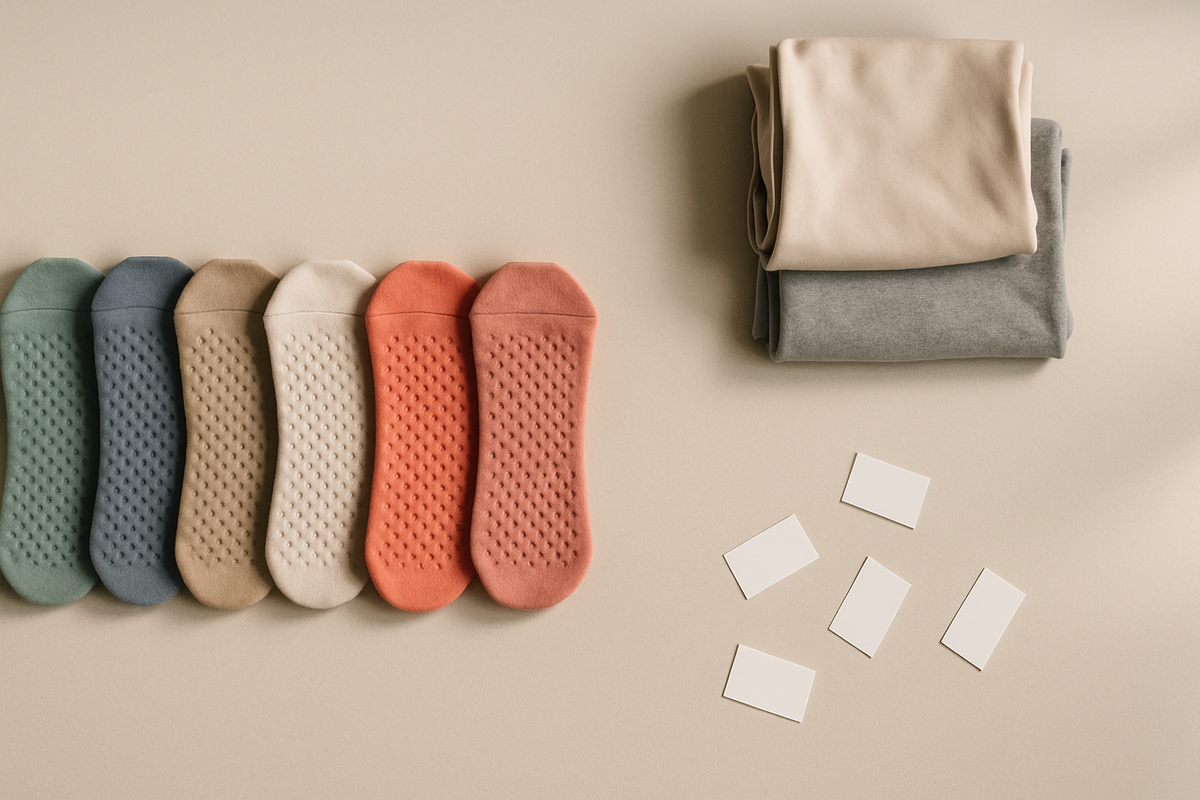
Grip socks aren't optional in most Pilates, barre, and Lagree studios. Clients need them for performance and safety, creating built-in demand that doesn't exist for other retail categories. High inventory turnover makes grip socks one of the most reliable retail items in boutique fitness, with strong margins and minimal sales friction.
Studios typically see repeat purchases tied to class milestones (50 or 100 classes) as well as seasonal and limited-edition styles. Clients rarely stop at one pair, and many studios find their clients buy multiple pairs over time, creating predictable reorder cycles that simplify inventory planning.
Branded Studio Apparel Drives Emotional Loyalty
As one industry guide notes, your barre studio owners already have strong community identity and they want to rep your brand. This isn't aspirational marketing. It's observable client behavior in high-performing studios.
Top-selling items include custom t-shirts (most popular), hoodies (highest margin), and hats (low cost, high perceived value). Recommended pricing typically follows a base cost plus $10-15 profit per item, with a custom t-shirt retailing around $31.88 yielding $12 profit per sale. The key differentiator: these are branded pieces tied to studio identity, not generic bulk apparel.
Resistance Bands and Small Training Accessories
Low-ticket add-ons like resistance bands benefit from easy impulse purchase positioning at the front desk. These items carry strong perceived value relative to cost and align naturally with class programming, making them simple upsells during check-in or package purchase conversations.
Premium Brand Partnerships Over Generic Wholesale
Successful retail operations feature curated inventory from premium brands including TAVI, Lululemon, Alo, Free People, and 33 Threads. These partnerships work because they reflect the brand positioning clients already associate with barre studios. Generic wholesale alternatives lack the emotional connection that drives discretionary purchases in this category.
An emerging subcategory is skincare and wellness products. Carrying skincare signals a 360-degree approach to wellness that resonates with barre clientele, particularly when framed as holistic self-care rather than performance nutrition.
What Doesn't Sell: The Inventory Traps
Generic Apparel Without Studio Branding
Simply having products for sale does not mean they will sell. Unbranded bulk inventory and cheap screen prints rarely convert because they lack the emotional connection that drives apparel purchases in community-driven studios. Clients buy branded studio gear to signal membership and identity, not to save $5 on a generic tank top.
Overstocking Slow-Movers
Overstocking ties up cash and fills shelves with slow movers, often due to inaccurate sales forecasts or bulk purchase discounts that look appealing upfront. The downstream costs include markdowns that erode profit margins, inefficient use of retail space, and delayed ability to bring in new products that would actually sell.
Items sitting on shelves for months waste space and cost money by preventing products that would actually sell from being there. In studios that rotate inventory seasonally, overstocking can delay an entire product line from reaching the sales floor.
SKU Proliferation Without Sales Velocity Data
Without sales velocity data showing how fast each SKU sells, overstocking slow items and understocking fast-selling ones becomes almost inevitable. The more product types a studio carries, the harder it becomes to track what actually converts, especially without integrated point-of-sale and inventory management software.
This problem compounds quickly. Studios add new SKUs to test demand, but without visibility into turnover rates, they can't distinguish between items that need restocking and items that should be discontinued. The result is capital tied up in inventory that generates minimal return.
Supplements and Nutritional Products
Unlike CrossFit or bodybuilding gyms, barre studios attract clients focused on aesthetics, flexibility, and mind-body connection rather than performance nutrition. Supplements rarely appear as standout revenue drivers in barre-specific retail strategies. Additionally, product liability becomes a concern when selling items including supplements, creating regulatory and insurance exposure that most studios find not worth the thin margins.
Commodity Fitness Equipment Without Differentiation
Standard foam rollers, yoga mats, and recovery tools are available everywhere at competitive prices. Without strong studio branding, instructor endorsement, or product differentiation, these items sit on shelves and tie up capital that could be allocated to higher-velocity SKUs.
The Market Context: Why Retail Got Harder
The Xponential outsourcing decision arrived alongside other market pressures. Pure Barre and YogaSix sales were essentially flat year-over-year in 2025, signaling market saturation and margin pressure in the barre segment specifically. When class revenue growth stalls, retail diversification becomes tactically important rather than merely opportunistic.
But retail diversification only works if inventory management is disciplined. The studios that succeed treat retail as a curated extension of brand and programming, not as a side hustle with whatever products a sales rep pitches.
What This Means for Studio Operators
Editorial analysis, not reported fact:
The smart play for independent barre studios in 2026 is a small-inventory, test-and-iterate model. Start with grip socks as the anchor SKU because demand is structural, not discretionary. Add 2-3 branded apparel items with clear emotional hooks (anniversary tees, instructor collaboration designs, seasonal drops). Partner with one premium brand that aligns with your positioning rather than stocking five mediocre wholesale lines.
Track sales velocity from day one. If your studio management software doesn't surface which SKUs are turning over weekly versus sitting for months, you're flying blind. Overstocking is expensive, and the opportunity cost is real. Capital tied up in slow-moving inventory is capital you can't deploy on marketing, instructor development, or actually profitable retail tests.
Resist the bulk-buy discount trap. Paying $2 less per unit doesn't matter if you sell 40% fewer units because the product lacks brand alignment. Your clients are not bargain hunting. They're buying identity and connection. Price accordingly, brand intentionally, and keep inventory lean until the data tells you to scale a specific SKU.
Sources & Further Reading
- Xponential Fitness Q4 2025 earnings call transcript, covering the retail outsourcing transition
- Retail revenue trends in fitness clubs, industry-wide non-dues revenue analysis
- How to sell grip socks in fitness studios, demand drivers and purchasing behavior
- Custom barre studio apparel guide, pricing and product selection strategy
- Overstocking causes and prevention, inventory management best practices
- Managing slow-moving inventory, sales velocity and SKU rationalization
- Barre studio software and retail integration, operational infrastructure overview
Editorial coverage of publicly reported industry developments. Barre Diary has no commercial relationship with any companies named.