Buying Ballet Barres: A Studio Equipment Guide for 2026
From wall-mounted vs. portable barres to hidden costs like flooring and sound systems, here's what studio operators need to know about equipment procurement.
Key Takeaways
- Barre studio equipment costs range from $20,000 to $40,000 depending on studio size, with installation adding $5,000 to $10,000 in labor costs as of 2026.
- Wall-mounted barres save $100–$200 per unit compared to freestanding models and deliver professional stability, but require permanent installation into wall studs.
- Established commercial vendors include Custom Barres, Alvas, and The Beam Store, all manufacturing USA-made barres trusted by professional studios and universities.
- Hidden infrastructure costs include specialty flooring ($3–$8 per square foot for Marley vinyl), professional sound systems (Bluetooth speakers are inadequate for commercial use), and glassless mirrors.
- Equipment durability requires monthly maintenance checks on portable barres and quarterly inspections of wall-mounted units to prevent wobble and safety hazards from constant wear.
- Independent studio operators report opening for under $100,000 versus $265,000–$419,000 for Pure Barre franchise builds, with tenant improvement allowances of $30–$60 per square foot offsetting startup costs in many 2026 markets.
Understanding Barre Types and Selection Criteria
The fundamental choice between wall-mounted and freestanding portable barres shapes both your studio budget and operational flexibility. Wall-mounted barres attach directly to wall studs, delivering the absolute stability that makes them feel like professional studio equipment. The trade-off is permanent installation and zero flexibility in room reconfiguration.
Freestanding portable barres can be placed anywhere in your studio if you need to accommodate fluctuating class sizes or run multiple programming formats in the same space. According to Studio Growth's January 2026 industry analysis, wall-mounted barres save $100–$200 per unit compared to freestanding models, making them the cost-effective choice for studios with fixed layouts.
Critical Specifications Every Operator Should Know
Standard barre height should fall between the waist and hip, where hands naturally rest in second position port-de-bras. Wooden beam diameter should measure 4cm, with optimal barre length at 2 meters for commercial installations. Most quality barres support 250–350 pounds, adequate for both traditional ballet technique and dynamic barre fitness programming.
The Commercial Vendor Landscape
Three manufacturers dominate the professional studio market. Alvas has provided high-quality ballet barres, dance floors, and glassless mirrors to studios worldwide since 1952, positioning them as the heritage brand in the category. Custom Barres manufactures fully customizable USA-made ballet barres trusted by Fortune 500 companies and elite universities, offering design options and finishes to match specific branding needs.
The Beam Store produces commercial-grade studio barres in use by major dance companies and schools worldwide, manufacturing all products at their factory in Oklahoma City, Oklahoma. These three vendors represent the premium tier, with pricing reflecting durability guarantees and professional-grade construction.
Budget-Friendly and Portable Alternatives
For home studio consultations or startup operators managing cash flow, VITA Barre emerges as a top choice for professional stability and tool-free assembly. Popular portable barres with stainless steel support and wooden barres cost as low as $79.99 plus shipping, though instructors should carefully evaluate weight capacity and stability before recommending these for high-intensity barre workouts.
Startup Costs and the Franchise Premium
Barre studio equipment typically includes barre frames, yoga mats, resistance bands, weights, and specialized fitness accessories, ranging from $20,000 to $40,000 depending on studio size and programming scope. Installation costs add $5,000 to $10,000, varying with local labor markets and complexity of wall-mounted systems.
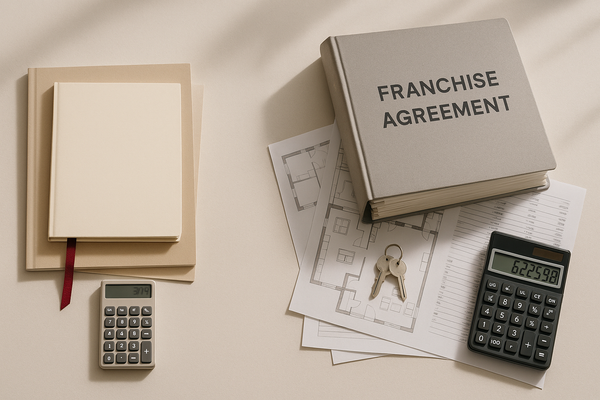
The franchise versus independent decision carries significant equipment implications. Pure Barre studio investment generally ranges from $265,000 to $419,000, including costs for leasehold improvements, equipment, inventory, and working capital. In contrast, independent studio owners report opening for less than $100,000, with average startup budgets of $120,000–$160,000. The franchise premium buys brand recognition, vendor relationships, and turnkey systems, but equipment specifications themselves often mirror what independent operators source directly from manufacturers like Custom Barres or Alvas.
Hidden Infrastructure Costs Beyond Barres
First-time studio operators consistently underestimate three infrastructure categories. For boutique studios, build-out quality—specifically floor, sound, and lighting—justify premium pricing, according to Mariana Tek's June 2026 studio operations guide. The main cost driver is specialty flooring, with Marley vinyl flooring costing $3–$8 per square foot.
Professional-grade setups use Harlequin WoodSpring basketweave sprung floor with Harlequin Vinyl Marley flooring. Sound systems represent the most underestimated line item, as a Bluetooth speaker cannot deliver the 90+ decibel output required for commercial classes with proper instructor cueing over music.
Mirrors and Matting Essentials
Alvas Glassless Mirrors are lightweight, portable, and won't bounce sound around like glass, manufactured with super-reflective metalized plastic film that is 100% shatterproof and UL Fire Retardant rated. Yoga mats are essential tools for floor-work and stretching portions, providing hygiene, joint protection, and stability in socks-only or barefoot studio environments. Buying yoga mats and resistance bands wholesale saves 30–40% compared to retail pricing.
Durability, Maintenance, and Long-Term ROI
Constant wear and tear from frequent use is a significant challenge; ballet barres can become wobbly or unstable after prolonged use. Investing in cheap, poorly made equipment often leads to frequent replacements and potential safety hazards, straining budgets and compromising training quality.
Preventive maintenance extends equipment lifespan significantly. For portable barres, regularly tighten locking screws as they work loose over time; a monthly check is ideal. Wall-mounted barres need little maintenance but should be checked after a month of use for fixings tightness, then repeated at three-monthly intervals. Regular weekly cleaning with mild detergent and soft damp cloth prevents finish degradation, though saturation should be avoided. Deep cleaning and sanitizing of floors, mirrors, barres, and high-touch areas ensures both safety and client confidence in studio hygiene standards.
Cost-Saving Strategies for Independent Operators
Strategic procurement decisions compound into meaningful budget savings. Wall-mounted barres eliminate the $100–$200 per-unit premium freestanding models command. Buying used equipment from a closing studio or reseller can meaningfully reduce costs without cutting corners on safety, particularly for mirrors, sound systems, and storage solutions.
In 2026, tenant improvement allowances of $30–$60 per square foot are realistic in many commercial real estate markets, significantly offsetting startup costs. Operators should negotiate these allowances before signing leases, as landlords often absorb flooring, electrical, and HVAC upgrades to secure multi-year tenants in competitive markets.
What This Means for Studio Operators
Editorial analysis, not reported fact:
The equipment procurement decision tree starts with programming clarity, not vendor catalogs. Studios running high-intensity interval barre formats need barres engineered for lateral stress and dynamic movement, justifying the Custom Barres or Beam Store premium. Studios focused on traditional ballet-inspired stretching and isometric holds can achieve professional results with mid-tier portable barres, redirecting budget toward flooring and sound systems that more directly impact client experience.
The franchise-versus-independent calculation hinges less on equipment access and more on brand-driven client acquisition costs. Independent operators source identical barres, mirrors, and flooring at comparable wholesale pricing, but absorb marketing and curriculum development overhead that franchises amortize across hundreds of locations. For experienced instructors with established client bases, the independent route offers equipment flexibility without sacrificing quality.
Durability represents the clearest ROI metric. A $400 wall-mounted barre from a commercial manufacturer lasting seven years costs $57 annually. A $150 budget portable barre replaced every 18 months costs $100 annually, plus labor and disposal. For studios running 20+ classes weekly, commercial-grade equipment pays for itself in reduced replacement cycles and eliminated injury liability exposure.
Sources & Further Reading
- Studio Growth barre studio cost analysis, updated January 2026 with equipment and installation pricing
- Custom Barres, USA-made customizable ballet barres for commercial studios
- Alvas Ballet Barres, Floors & Mirrors, manufacturer since 1952 serving professional studios worldwide
- The Beam Store ballet barres, commercial-grade equipment manufactured in Oklahoma City
- Mariana Tek studio operations guide, updated June 2026 with build-out cost drivers
- Dance Equipment International barre specifications guide, technical standards for height, diameter, and installation
- Vetted Biz Pure Barre franchise review, investment range and cost breakdown
- STM Studio Supplies barre maintenance guide, monthly and quarterly inspection protocols
Editorial coverage of publicly reported industry developments. Barre Diary has no commercial relationship with any companies named.