Corporate & Group Rate Pricing for Barre Studios in 2026
Most barre studios lack formalized corporate pricing, leaving B2B revenue on the table. Here's how to structure group rates without undercutting premium positioning.
Key Takeaways
- Corporate wellness demand is growing, but most barre studios lack formalized group rate structures, leaving revenue on the table as employers seek structured fitness benefits for retention and mental health.
- Pure Barre and Xponential Fitness brands market corporate wellness programs explicitly, while independent studios negotiate case-by-case with no transparent pricing, creating inconsistent market signals.
- Third-party platforms like ClassPass Corporate Wellness provide immediate access to corporate clients but take commissions and limit direct relationships; direct partnerships offer higher margins but require sales infrastructure.
- Group pricing increases retention because groups cancel less frequently and peer accountability drives commitment, yet studios risk undercutting premium positioning without clear volume discount frameworks.
- Tiered pricing models allow studios to segment corporate clients by session volume, preserving brand value while capturing B2B revenue that historically represents 5–10% of total revenue for studios actively pursuing these channels.
Why Barre Studios Have Not Formalized Corporate Pricing
Despite growing employer interest in structured fitness benefits, most barre studios operate without published corporate rate cards or standardized group pricing frameworks. The disconnect is tactical: studios that built their business on premium individual memberships ranging from $110 to $360 monthly lack playbooks for negotiating volume discounts without eroding brand equity.
Pure Barre explicitly markets Corporate Wellness Partners programs to help employees "move better, feel better and live better," and parent company Xponential Fitness promises "a healthier, more productive work culture" across its boutique brands. Yet even these franchise operations provide no transparent pricing online. Independent studios face steeper challenges: they can move faster and tailor classes to local corporate needs, but the absence of standardized models means each partnership is negotiated from scratch.
The result is a fragmented landscape where Rae Studios in San Francisco quotes private group sessions individually, adding a 20% booking fee for groups over 40 people, while Barre Unbound positions wellness programs around strength, flexibility, and cardiovascular fitness without listing rates at all. Studios advise members to always ask if they qualify for special group rates, suggesting discounts exist but remain informal and inconsistently applied.
What Chains and Independents Are Doing Differently
Franchise brands leverage scale and marketing infrastructure to pursue corporate wellness systematically. Xponential Fitness bundles Pure Barre with strength training and other modalities, positioning corporate wellness as an enterprise offering. Independent studios, by contrast, compete on personalization and flexibility. Rae Studios offers both on-site and in-studio sessions with separate fees for travel and props, creating custom experiences that large franchises cannot replicate.
The trade-off is infrastructure. Chains have dedicated sales teams and marketing collateral; independents rely on owner-operator hustle. According to corporate wellness revenue benchmarks from Pilates studios, B2B contracts represent 5–10% of total revenue for studios actively pursuing these channels—a meaningful margin that requires intentional sales effort. Studios without formalized pricing leave this segment underserved, even as platforms like ClassPass Corporate Wellness report that employees using corporate benefits work out more consistently, view employers more positively, and report improved well-being.
Tactical Frameworks for Setting Corporate Rates
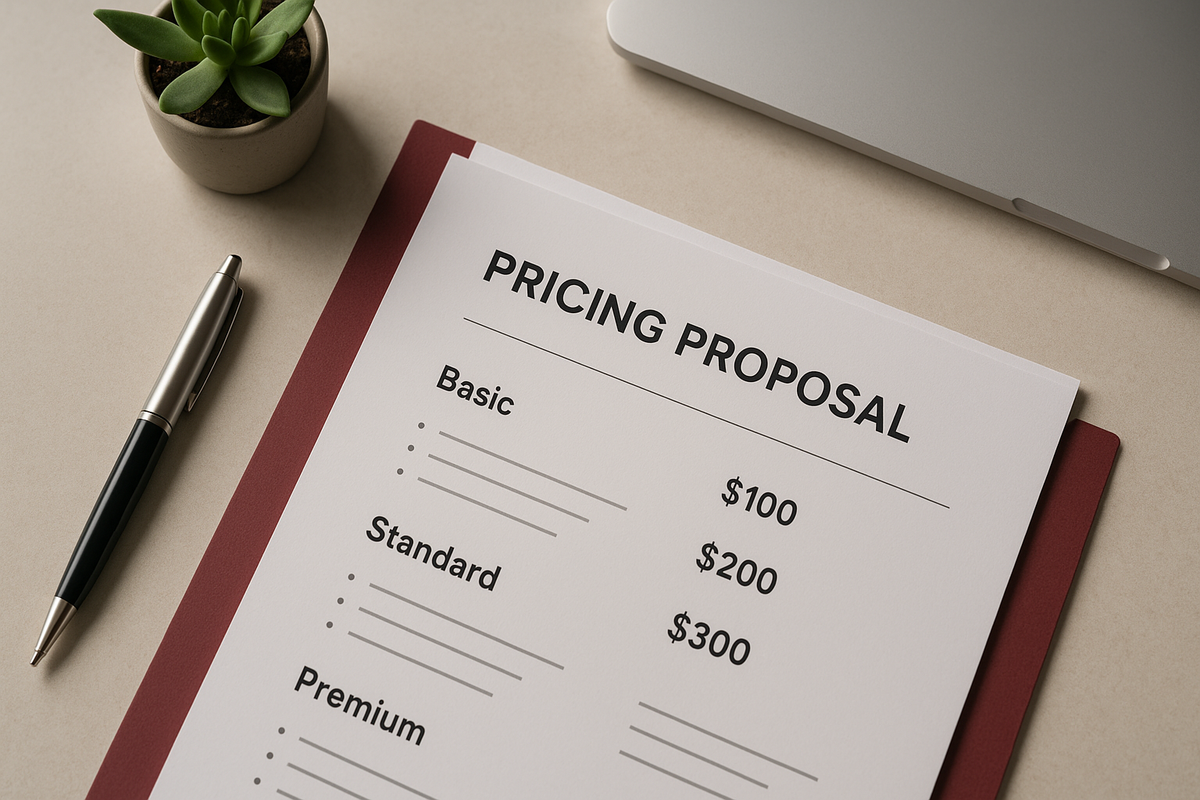
Tiered pricing remains the gold standard for fitness studios because it gives clients choice, supports upsells, and segments audiences into manageable cohorts. For barre studios, this translates to three-tier corporate structures: low-volume exploratory packages (10–20 sessions quarterly), mid-volume commitment tiers (40–60 sessions annually), and high-volume enterprise partnerships with dedicated class blocks.
The key tension is preserving premium positioning while offering volume discounts. Boutique fitness classes averaged $21.32 per session in 2025, with barre3 drop-ins at $28–$33. Corporate rates should discount from drop-in prices, not membership rates, to avoid cannibalizing existing members. A tiered structure might price corporate sessions at $22 (low volume), $19 (mid volume), and $16 (high volume), maintaining premium perception while rewarding commitment.
Studios can also learn from ClassPass strategic use in Pilates: fill off-peak inventory through corporate partnerships without displacing prime-time full-price clients. Offering corporate clients access to 10 a.m. weekday slots or Sunday evenings protects peak 6 p.m. availability for premium members. This approach mirrors tiered revenue streams used by barre3, which combines unlimited memberships, class plans, packages, and privates to create predictable recurring revenue.
Case Examples of Working Models
Rae Studios demonstrates a flexible model: private group sessions quoted individually, with pricing influenced by group size, location (in-studio or on-site), and logistics like travel and props. For groups exceeding 40 participants, custom rates apply alongside a 20% booking fee that covers coordination overhead. This protects margins while signaling premium service.
Elements Barre Fit emphasizes experience-driven programming with outdoor fitness and in-studio events designed for corporate audiences. By positioning wellness as lifestyle promotion rather than transactional fitness, Elements avoids commoditization and maintains pricing power. Similarly, NW Corporate Wellness in Dallas bundles barre with yoga, boot camp, and HIIT, creating corporate-friendly variety that appeals to diverse workforces.
The common thread is intentionality: studios with working corporate models treat B2B pricing as a separate revenue stream with distinct sales processes, not an ad hoc discount applied to retail pricing. This aligns with insights on pricing segmentation challenges facing large franchises, where failure to identify and serve price-insensitive corporate buyers limits revenue growth.
Direct Partnerships vs. Third-Party Platforms
Studios face a strategic choice: negotiate direct corporate partnerships or leverage platforms like ClassPass Corporate Wellness. ClassPass provides immediate access to thousands of corporate clients globally, with employee investments going directly toward fitness classes and wellness appointments. The platform reports that active corporate users work out more consistently and view employers more positively, creating a compelling case for corporate HR buyers.
The trade-off is margin and relationship control. ClassPass takes a commission on every booking, and studios forfeit direct client relationships. For studios with limited sales bandwidth, this is acceptable; ClassPass functions as outsourced distribution. For studios seeking higher margins and deeper client relationships, direct partnerships make sense—but require investment in sales collateral, proposal templates, and follow-up infrastructure.
A hybrid approach mirrors strategies documented in corporate partnership models from yoga studios serving athletes and gyms: use ClassPass to fill off-peak inventory and test corporate demand, then convert high-engagement corporate clients to direct contracts with better unit economics. This leverages ClassPass for customer acquisition while building owned B2B relationships over time.
Studios should also consider group retention dynamics. Research on group pricing retention in martial arts studios shows family plans see 25% higher retention because group members hold each other accountable. Corporate clients exhibit similar patterns: once a company commits to quarterly wellness programming, cancellation rates drop because individual employees coordinate attendance and reinforce participation.
What This Means for Studio Operators
Editorial analysis, not reported fact:
Barre studio operators should treat corporate wellness as a deliberate revenue stream requiring dedicated pricing architecture, not an occasional discount extended to friendly local businesses. The immediate action is building a three-tier rate card: exploratory packages for companies testing wellness benefits, commitment tiers for companies embedding barre into quarterly programming, and enterprise partnerships for organizations seeking exclusive class blocks or on-site instruction.
Operators should price corporate tiers off drop-in rates, not membership rates, to protect premium positioning. If your drop-in rate is $30, corporate rates might range from $24 (exploratory) to $18 (enterprise), preserving a meaningful premium over your $150 unlimited membership when calculated per-class. This framework respects brand equity while rewarding volume commitment.
For studios without sales infrastructure, start with ClassPass Corporate Wellness to validate demand and fill off-peak inventory. Once corporate clients demonstrate consistent engagement, approach HR contacts with direct partnership proposals offering better unit economics for the employer and higher margins for the studio. Track which companies send the most employees, then prioritize those relationships for conversion.
Finally, studios should formalize logistics that corporate clients uniquely require: minimum group sizes, advance booking windows, cancellation policies for group sessions, and travel fees for on-site instruction. The 20% booking fee model used by Rae Studios for groups over 40 people is instructive—it acknowledges coordination overhead while maintaining service expectations. Publishing these terms on a dedicated corporate wellness page signals professionalism and streamlines inquiry-to-close cycles.
Sources & Further Reading
- Pure Barre Corporate Wellness, franchise approach to employer partnerships
- Xponential Fitness Corporate Wellness, multi-brand boutique fitness for enterprise clients
- ClassPass Corporate Wellness, third-party platform connecting studios to corporate buyers
- Rae Studios Corporate Wellness Program, independent studio case example with custom pricing
- How to Open a Barre Studio, pricing and membership benchmarks for boutique fitness
- Gym Pricing Strategy Guide, tiered pricing frameworks for fitness studios
- Pilates Market Growth & Studio Economics in 2024, corporate wellness revenue benchmarks
- Hybrid Pilates Revenue Models: Pricing & Profit in 2026, ClassPass and off-peak inventory strategy
Editorial coverage of publicly reported industry developments. Barre Diary has no commercial relationship with any companies named.