Do Loyalty Programs Work for Barre Studios? The 2026 Data
Loyalty members stay 2.8x longer and generate $1,890 vs. baseline. But most programs fail. Here's what works, what doesn't, and the 40% retention lift case study.
Key Takeaways
- Loyalty program members stay 2.8x longer: Fitness members enrolled in loyalty programs maintain membership for an average of 14.2 months versus 5.1 months for non-enrolled members, generating $1,890 in revenue compared to baseline.
- ROI reaches 480% in year one: A boutique studio spending $6,000 annually on a loyalty program saw churn drop from 28% to 18%, preserving $34,800 in dues revenue before counting retail or referral benefits.
- Digital delivery drives 40% higher retention: Studios switching from paper punch cards to digital wallet-based systems see retention jumps of 40% in the first quarter, with wallet pass members averaging 16.2 months of tenure.
- Experiential perks outperform discounts: Priority class access, member-only workshops, and milestone recognition drive stronger long-term retention than price reductions, which train members to expect lower pricing.
- Most programs fail due to friction: Programs requiring separate apps or manual check-ins see participation below 20%, while invisible systems with automatic tracking and push notifications reach 60%+ enrollment.
- Community connection prevents 40% of cancellations: Member disconnection drives 40% of gym cancellations, making loyalty programs that foster belonging more critical than facility upgrades alone.
Why Barre Studios Are Reconsidering Loyalty in 2026
Barre studios face a retention paradox. Most programs deliver genuinely excellent instruction and immaculate facilities. Yet acquisition costs continue rising while member churn persists at industry-average rates of 50-66%. The studios pulling ahead in 2026 are the ones that combine quality product delivery with systematic retention infrastructure.
The question is no longer whether loyalty programs matter, but whether they actually work for boutique fitness. The answer depends entirely on how they're designed. Retention costs up to 5x less than acquisition, making this the inflection moment when studio owners need data-backed answers instead of guesswork.
The Business Case: Hard Numbers from Boutique Fitness
The ROI math is unambiguous. Members enrolled in loyalty programs stay an average of 14.2 months and generate $1,890, compared to 5.1 months for non-enrolled members. That 2.8x tenure increase translates directly to 2.8x more dues revenue per member acquired.
For boutique studios specifically, community-focused programs drive 70-80% retention versus the 50-66% industry baseline. A representative case study: a boutique fitness studio with 28% baseline churn launched a loyalty program costing $6,000 annually. Churn dropped to 18% in year one, preserving $34,800 in annual dues. That's 480% ROI from retention alone, before counting the 28% increase in retail spending loyalty members contribute monthly.
What Works for Barre's Community-Driven Model
Barre studios share operational DNA with yoga studios: boutique class-based format, loyal member base, recurring membership model, and client relationships built around habit and community. The most successful loyalty programs adapt to this reality rather than importing retail models wholesale.
The strongest retention driver in barre is not equipment or amenities. The relationships created within studio walls matter more than well-taught classes and clean facilities, though both remain necessary. When 40% of cancellations stem from feeling disconnected from the gym community, loyalty programs become strategic infrastructure for connection, not optional marketing tactics.
Where Loyalty Programs Fail
Not all programs move the needle. Most gym loyalty programs fail because they copy retail models without adapting to how fitness members actually behave. If members need to download a separate app, remember a login, and manually check in at a kiosk, participation drops below 20%.
The programs hitting 60%+ enrollment rates feel invisible: a tap of the phone at the front desk, automatic point tracking, and push notifications celebrating milestones. Friction kills adoption. For new members specifically, rewards alone will not improve retention. These clients need onboarding, support, and habit-building systems, not just incentives.
The Discount Trap
Another common mistake: treating retention as transactional. When a member tries to cancel and your front desk launches into discount offers and free months, that's desperation, not retention. Member appreciation days or free t-shirts don't address why someone wanted to leave in the first place.
Perks usually outperform pure discounts. Discounts train members to expect lower pricing. Perks increase experience value. Priority class access, nutrition workshops, guest passes for friends, or early registration for popular sessions create exclusivity and community without eroding pricing power.
Digital Delivery: The 40% Retention Lift
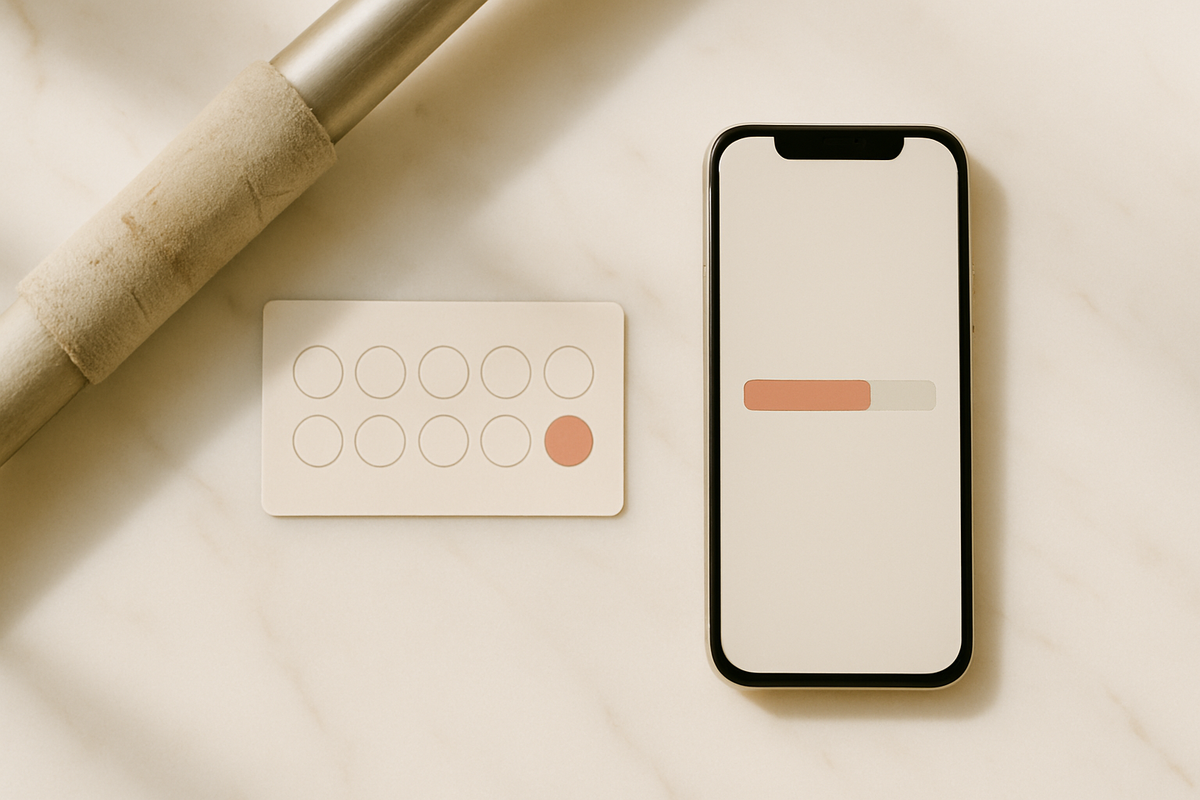
One of the most compelling data points comes from studios transitioning from analog to digital systems. After years of running paper punch cards for free class rewards, member retention was flat and tracking was unreliable. After switching to a digital wallet-based loyalty system, retention jumped 40% in the first quarter.
The key difference: visibility. Wallet pass loyalty members averaged 16.2 months of tenure because the always-visible pass on their phone creates daily brand exposure and frictionless engagement. Members don't need to remember to bring a card or open an app. The loyalty program lives where they already look dozens of times per day.
Implementation Reality: Cost and Timeline
Most gym loyalty programs cost between $50-$200 per month depending on the platform and member count. Industry best practice suggests spending 2-4% of loyalty-attributed revenue on rewards: generous enough to motivate, lean enough to remain profitable.
The 2026 context makes this investment more urgent. In 2025, 64% of fitness and wellness customers stopped visiting businesses due to rising costs, while 73% would pay extra for a more personalized experience and 70% value rewards programs to maintain loyalty. Member expectations have shifted.
The ClassPass Tension
The push for direct-to-member loyalty gained momentum in August 2025 when a group of New York boutique fitness brands declared "Gym Loyalty Month" to push back against third-party booking apps. James McMillian, Chief Innovation Officer at Tone House, stated that many studios are now "barely breaking even" due to low per-class payouts from aggregators. This underscores why direct loyalty infrastructure is becoming strategic, not optional.
Five Rewards That Work Better Than Discounts for Barre
- Priority registration for popular instructors: Lets loyal members book signature classes 24-48 hours before general availability.
- Members-only workshops: Quarterly nutrition, injury prevention, or goal-setting sessions create exclusivity and deepen community.
- Milestone recognition: Celebrate 50, 100, 200 classes attended with public shoutouts, branded gear, or free guest passes.
- Guest pass privileges: Allow members to bring a friend once per quarter, turning loyalty into acquisition.
- Retail credit on birthdays: A $15-25 credit toward retail purchases feels personal without training members to expect ongoing discounts.
What This Means for Studio Operators
Editorial analysis, not reported fact:
The studios winning in 2026 treat loyalty as operating infrastructure, not a marketing campaign. They recognize that retention is measurable, predictable, and manageable when you build systems around it. A loyalty program is not a substitute for excellent instruction or community. It's the scalable layer that ensures those strengths translate into longer tenure and higher lifetime value.
If you're evaluating whether to launch or upgrade a loyalty program, the decision tree is simple. First, audit your current retention data. If churn is above 25% annually, you have a retention problem that loyalty infrastructure can address. Second, evaluate your technology. If members need to download a separate app or manually track participation, adoption will remain low. Digital wallet integration and automatic tracking are table stakes in 2026, not nice-to-haves.
Third, design rewards around what barre members actually value: access, recognition, community, and experience enhancement. Avoid the discount trap. If your loyalty program trains members to expect lower pricing, you've built a margin-eroding liability, not a retention asset.
The investment is modest. The ROI case is proven. The member expectation is real. For barre studios competing in a crowded boutique market, the question is no longer whether loyalty programs work. It's whether you can afford to operate without one.
Sources & Further Reading
- Gym and Fitness Studio Retention Statistics, comprehensive industry data on member tenure and acquisition costs
- Gym Loyalty Program Best Practices, case studies on digital wallet-based loyalty systems and retention lifts
- How to Design a Gym Loyalty and Rewards Program, implementation costs and reward structure guidance
- Gym Loyalty Program ROI Analysis, financial modeling and retention impact data
- New York Studios Push Back on ClassPass with Gym Loyalty Month, industry context on direct-to-member strategies
- Everything You Need to Know About Gym Member Retention, research on why members cancel and what prevents churn
Editorial coverage of publicly reported industry developments. Barre Diary has no commercial relationship with any companies named.