How to Open a Barre Studio With Little to No Money in 2026
Independent barre studios can launch for $40,000 to $60,000 using tenant improvement allowances, SBA loans, and owner-instructor models that eliminate head instructor payroll.

Key Takeaways
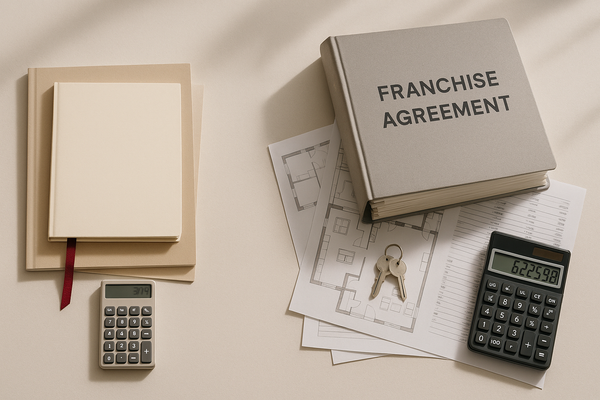
- Independent barre studios can launch for $40,000 to $60,000, significantly less than the $214,287 to $457,337 required for a Pure Barre franchise, thanks to minimal equipment needs and negotiable lease improvements.
- Break-even typically occurs within 12 to 24 months for studios with strong membership retention, with as few as 55 members needed to cover operating costs in lean independent models.
- Owner-instructor models maximize profitability by eliminating head instructor payroll during the critical first year, though founder burnout remains a real operational risk.
- Tenant improvement allowances and SBA loans are the two most accessible financing tools, with landlords in 2026 offering $30 to $60 per square foot in TI credits and SBA terms extending up to 10 years for build-out costs.
- Pop-up and hybrid models offer ultra-lean entry points with minimal overhead, allowing instructors to validate demand and build community before committing to a commercial lease.
The Case for Bootstrapping an Independent Studio
The barre studio market reached $1.4 billion in 2024 and is projected to grow at an 8.2% compound annual growth rate through 2033. Yet many prospective owners face a fundamental barrier: capital. The gap between ambition and access has widened in 2026 as major franchises consolidate and franchise fees climb beyond reach for working instructors.
The independent path offers a different equation. Most U.S. barre studios cost between $60,000 and $190,000 to open, with the biggest variables being leasehold improvements, local real estate costs, and working capital reserves. A lean independent studio targeting the low end of that range can break even with as few as 55 members, creating a realistic pathway for instructors willing to trade capital for sweat equity.
What Minimal Viable Investment Actually Looks Like
Barre's inherent simplicity creates financial leverage. Unlike cycling or rowing studios that require expensive equipment arrays, a barre studio needs mirrors, barres, yoga mats, light weights, and sound. Startup costs for a small independent studio range from $40,000 to $55,000 when founders minimize build-out, negotiate aggressively, and bootstrap operations.
The historical template comes from unlikely sources. The Pure Barre founder bootstrapped her expansion by opening a location, teaching to build membership, selling that studio to an interested buyer, and using proceeds to fund the next. Similarly, barre3 founders Sadie and Chris Lincoln grew one of the most recognized brands in boutique fitness without accepting outside investment, choosing instead to preserve brand values through internal reinvestment and franchise fees.
Breaking Down the $40,000 Minimum
The ultra-lean launch allocates roughly $15,000 to $20,000 for leasehold improvements (assuming a strong tenant improvement allowance), $5,000 to $8,000 for equipment and mirrors, $3,000 to $5,000 for initial technology and software, $5,000 for opening marketing and community events, and $10,000 to $12,000 for working capital to cover the first 60 to 90 days of fixed costs. Every dollar saved on build-out extends runway before the studio must hit positive cash flow.
Financing Tools That Work Without Deep Pockets
Three financial levers separate successful lean launches from stalled ambitions: tenant improvement allowances, SBA loans, and family or partner income bridges.
Landlords in many 2026 markets offer $30 to $60 per square foot in tenant improvement allowances for ground-floor retail spaces. For a 1,500-square-foot studio, that translates to $45,000 to $90,000 in build-out support, often covering mirrors, flooring, lighting, and basic HVAC improvements. Negotiating this allowance during lease signing preserves precious startup capital for marketing and payroll.
SBA loans offer 10-year terms for major build-out costs, turning a $50,000 build-out into a $500 to $600 monthly payment rather than a cash drain. Independent studio owners armed with professional business plans have successfully accessed SBA financing even without franchise backing. One founder noted that she would not have secured her loan or been taken seriously by real estate agents without the business plan and financial projections she developed for lender meetings.
The third tool is deeply personal. Multiple studio owners have relied entirely on their partners' or family income while growing the studio through its first 12 to 18 months. This approach requires transparent household budgeting and shared risk tolerance, but it eliminates the need to service debt or surrender equity during the most fragile growth phase.
The Owner-Instructor Trade-Off
Data consistently shows that the most successful studios are those where the owner is deeply involved in the business, with owner-taught studios offering the highest profit potential by eliminating head instructor payroll. This labor substitution can save $3,000 to $5,000 monthly during year one.
The human cost is real. One founder recounted being the only certified barre instructor and teaching every single class for almost two weeks, losing over 10 pounds and experiencing deep exhaustion and discouragement. The owner-instructor model works financially, but it demands staffing strategy that balances personal involvement with burnout prevention. Successful founders phase in contract instructors at the six-month mark, preserve one or two signature owner-taught classes for community connection, and build administrative time into weekly schedules before hiring a manager.
Pop-Up and Hybrid Models as Ultra-Lean Entry Points
The lowest-risk launch skips the lease entirely. Pop-up studios hosting classes in rented community spaces, parks, or partnership locations validate demand and build membership before committing to commercial real estate. A strong community starts before launch through pop-ups, free outdoor classes, and social events that convert attendees into founding members.
Several operating studios use this model permanently, maintaining low overhead while serving dedicated communities. The pop-up approach requires portable equipment, flexible scheduling, and strong digital presence to maintain member communication, but it can launch with under $5,000 in initial investment.
Technology and Software No Longer Require Enterprise Budgets
Studio management software that once cost $300 to $500 monthly now offers entry tiers starting at $30 per month for single-user studios. This pricing shift eliminates technology as a barrier, allowing bootstrapped studios to offer online booking, automated billing, and member communication from day one. Leasing sound equipment and temporary mirrors further preserves working capital during the critical first six months.
The 12 to 24 Month Reality
Most new barre studios take 12 to 24 months to become profitable, making working capital the difference between success and closure. Studios with 150 or more active unlimited members generally operate at healthy margins, but reaching that threshold requires surviving the ramp period when revenue lags expenses.
The math is unforgiving but manageable. A studio charging $150 monthly for unlimited memberships needs 55 members to cover $8,250 in monthly operating costs. Reaching 55 members in six months requires adding nine to 10 new members monthly. Reaching 150 members in 18 months requires adding eight to nine members monthly with strong retention. These are ambitious but achievable targets when founders teach most classes, maintain active social media presence, and leverage founding member referral incentives.
What This Means for Studio Operators
Editorial analysis, not reported fact:
The independent barre studio represents one of the most accessible entrepreneurship paths in boutique fitness, but only when founders enter with clear expectations about personal sacrifice, timeline to profitability, and capital efficiency. The instructor considering this path should model three scenarios: best case with strong membership growth reaching break-even in 12 months, base case reaching profitability in 18 months, and stress case requiring 24 months and additional capital injection.
The franchise alternative offers brand recognition and operational systems but requires three to four times the capital and surrenders local flexibility. For instructors with strong teaching reputations, existing student relationships, and willingness to handle business operations, the independent path offers better return on investment and faster decision-making. The key is matching capital strategy to personal risk tolerance. If you can sustain 18 months on savings, partner income, or part-time work, the lean launch becomes viable. If you need the studio to replace your instructor income within six months, the model fails.
The pop-up hybrid deserves serious consideration as a validation step. Six months of pop-up classes in a rented space costs under $10,000, builds a founding member base, and provides real revenue data to support SBA loan applications or landlord negotiations. Founders who skip directly to commercial leases often discover market realities after signing multi-year commitments.
Sources & Further Reading
- How to Open a Barre Studio, comprehensive 2026 guide from Mariana Tek covering costs, timelines, and location strategy
- Are Barre Studios Profitable?, Studio Growth analysis of profitability models and break-even benchmarks published January 2026
- How to Open a Barre Studio, independent studio founder Amy Mewborn's guide to bootstrapping and lean operations
- How to Start a Pure Barre Franchise, franchise cost breakdown and requirements updated September 2025
- Barre3 Announces Acquisition of Studio Barre, Forbes coverage of February 2025 consolidation trend
- Best Barre Studio Software, 2026 pricing and feature comparison for studio management platforms
Editorial coverage of publicly reported industry developments. Barre Diary has no commercial relationship with any companies named.