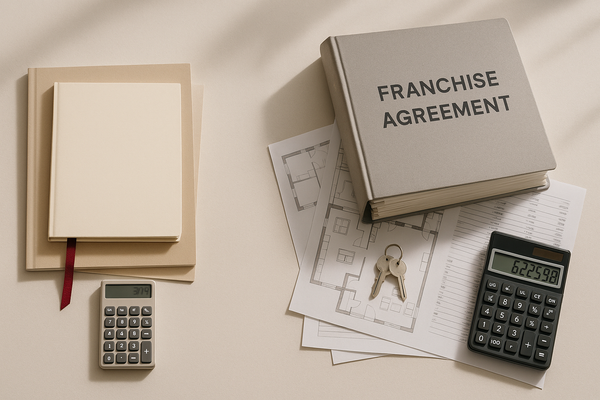
Should Your Studio Offer a Branded Practice App to Members?
Custom fitness apps cost $50K-$600K with 6-36 month payback. White-label solutions start at $225/month. Here's how to decide which path fits your studio.
Key Takeaways
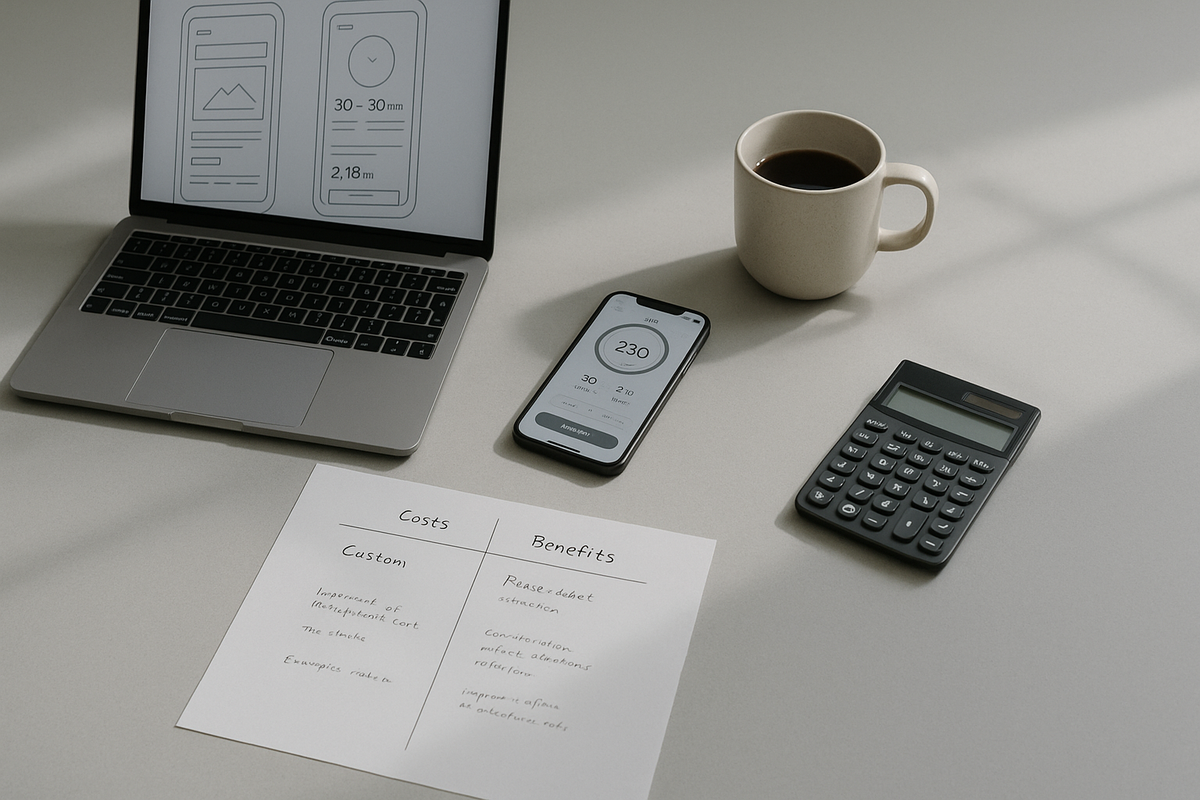
- Branded apps improve retention but demand careful ROI analysis: Custom fitness app development costs range from $50,000 to $600,000, with payback periods of 6 months to 3 years depending on user acquisition and retention strategies.
- All-in-one platforms offer faster, lower-risk entry: White-label app solutions embedded in studio management software start at $225 to $650 monthly, delivering branded member experiences without custom development costs.
- The first 90 days determine member lifetime value: Most gym cancellations occur in the initial three months, making early engagement through digital touchpoints a critical retention lever for barre studios.
- Digital competition is now baseline: By 2026, 68% of major studios offer on-demand video libraries and 54% provide live-streamed classes, while platforms like Peloton and Apple Fitness+ normalize $10-$30 monthly barre access at home.
- Hybrid models balance investment with member expectations: Studios combining in-person instruction with app-based challenges, booking, and on-demand content are retaining members without bearing full custom app development burdens.
Why Barre Studios Are Evaluating Branded Apps in 2026
The fitness industry has crossed a threshold. Digital platforms are no longer experimental add-ons but baseline member expectations, with 68% of major studios offering on-demand video libraries and 54% providing live-streamed classes this year. For independent barre studio operators, the question has shifted from whether to adopt digital tools to which digital strategy will deliver sustainable returns.
The stakes are significant. The barre market reached USD 1.2 billion in 2025 and is projected to hit USD 2.5 billion by 2034, growing at 9.0% annually. Yet this expansion comes alongside intensified competition from cross-training platforms like Peloton, which now includes barre alongside yoga, HIIT, and strength training, and from low-cost digital subscriptions that normalize $10-$30 monthly access to professional instruction.
The Real Cost of Building Your Own App
Custom development carries substantial upfront investment. Fitness app development costs range from $50,000 for a minimum viable product to $600,000 for full-featured platforms, according to SCN Soft's 2026 industry analysis. Average development ROI reaches 230% or higher, but the payback period typically spans 6 months to 3 years, depending on user acquisition costs, retention rates, and pricing strategies.
The financial reality is straightforward: money flows out immediately while revenue builds gradually, and only if users stay engaged and continue paying. Studios must account not just for initial development but for ongoing maintenance, feature updates, server costs, and platform compliance as iOS and Android evolve. For many independent operators already managing rising rent, instructor fees, and marketing expenses, this capital allocation requires careful justification against alternative uses of the same funds.
When Custom Development Makes Strategic Sense
Branded app investment becomes viable under specific conditions. Studios with 200 or more active members can spread development costs across a user base large enough to generate meaningful monthly recurring revenue. Franchises or multi-location operators benefit from economies of scale, as a single app serves multiple revenue centers. Studios already generating digital revenue through on-demand content libraries or virtual class subscriptions have proven demand that justifies expanded digital infrastructure.
The decision also depends on competitive positioning. If your studio's differentiation relies on proprietary programming, unique sequencing methodologies, or exclusive instructor talent, a custom app can protect intellectual property while creating a members-only digital ecosystem. Pure Barre's 2026 Barre Stronger challenge uses dedicated in-app tracking to monitor member progress in real time, demonstrating how franchise-scale operations leverage custom apps for branded engagement campaigns.
The All-in-One Platform Alternative Most Studios Should Consider
For independent studios, white-label solutions embedded in studio management software offer a faster, lower-risk path to branded digital presence. Platforms like WodGuru charge $1 per club member, bundling custom fitness apps with booking systems, payment processing, website creation, and member communication tools. FitDEGREE provides complete access to all features for $225 monthly, while Buildify's custom app solutions start at $650 per month.
These platforms deliver the core functionality members expect—seamless booking, class scheduling, challenge participation, progress tracking, and push notifications—without requiring studios to manage development teams or shoulder technical debt. The apps carry your branding, integrate with existing payment systems, and update automatically as member expectations evolve. For studios operating on tight margins, this model converts a capital expenditure into a predictable operating expense while preserving cash for instructor training, facility improvements, or targeted marketing.
What Actually Drives Retention in the Critical First 90 Days
Most gym cancellations happen in the first 90 days, making the early member experience the highest-leverage retention opportunity. Effective retention strategies include referral programs, consistent communication through membership software, and custom fitness apps that keep your studio top-of-mind between visits.
The mechanism matters less than the touchpoint frequency and relevance. Studios using in-app challenges, milestone celebrations, form video libraries, and community leaderboards report measurable engagement improvements. The key insight: these features can live in a platform-provided white-label app just as effectively as in a custom-built solution. Members care about convenience, personalization, and feeling seen by their studio community, not about whether the underlying technology was built in-house or licensed.
Hybrid Models That Balance Investment With Member Expectations
The most sustainable approach for many studios combines in-person instruction with app-based conveniences without bearing full custom development costs. Hybrid subscriptions that bundle unlimited studio classes with on-demand video access create pricing flexibility while increasing member touchpoints. Class packs that include digital credits let members maintain their practice during travel or schedule conflicts.
Studios like SLT and Solidcore have adopted technology without compromising the intimate, high-touch nature of in-person training. They use apps primarily for booking, waitlist management, performance tracking, and community engagement rather than as full digital fitness platforms. This focused approach delivers member convenience while keeping the studio experience central to brand identity and revenue generation.
What This Means for Studio Operators
Editorial analysis, not reported fact:
The strategic question is not whether your studio needs a digital presence—it does—but rather which investment level aligns with your current scale and growth trajectory. If you operate a single location with fewer than 150 active members, custom app development likely diverts capital from higher-return activities like instructor development, targeted local marketing, or facility improvements that directly enhance the in-studio experience.
The practical path for most independent operators is to adopt a mature all-in-one platform that includes white-label app functionality. These solutions deliver member-facing digital tools quickly, at predictable monthly costs, while letting you focus on what actually differentiates your studio: exceptional instruction, welcoming community, and programming that delivers visible results. As your member base grows and digital engagement metrics prove demand, you can reassess whether custom development creates defensible competitive advantage.
For studios already operating at scale or within franchise systems, custom apps make sense as long as financial projections account for 18- to 36-month payback periods and ongoing maintenance costs that can reach 15-20% of initial development annually. The decision should rest on hard retention data and digital revenue forecasts, not on following industry trends or matching competitor offerings.
Sources & Further Reading
- BSport: Fitness Trends Shaping Boutique Studios in 2026, digital adoption rates and member expectations
- Verified Market Reports: Barre Market Size and Forecast, market valuation and growth projections through 2034
- SCN Soft: Fitness App Development Costs, detailed cost breakdown and ROI analysis
- Appinventiv: Fitness App Development Cost Guide, payback periods and revenue modeling
- Glofox: Gym Member Retention Strategies, data on cancellation timing and engagement tactics
- Pure Barre: 2026 Barre Stronger Challenge, franchise-scale in-app engagement campaigns
Editorial coverage of publicly reported industry developments. Barre Diary has no commercial relationship with any companies named.