The Tech Stack Revolution for Barre Studios in 2026
AI scheduling saves 8-10 hours weekly while dynamic pricing adds $10K annually. Why barre studios are abandoning legacy platforms for boutique-first software.
Key Takeaways
- AI scheduling automation is saving studio managers 8-10 hours per week by handling bookings, waitlists, and cancellations without manual intervention, according to 2026 platform performance data.
- Dynamic pricing strategies that adjust rates based on peak times, instructor level, and real-time demand are generating an average of $10,000 in additional annual revenue per studio.
- Mindbody alternatives like Walla, Mariana Tek, and WellnessLiving are capturing market share from boutique studios frustrated by $700+ monthly costs, outdated interfaces, and poor customer support.
- Predictive occupancy analytics embedded in newer platforms reduce no-shows by 30% while optimizing package sales and instructor resource allocation.
- Hybrid revenue models combining in-studio and digital offerings are now essential as global digital fitness spending surpasses $60 billion in 2026, with double-digit growth in connected workouts and on-demand platforms.
Why Legacy Platforms Are Losing Ground in 2026
Barre studio owners are abandoning expensive, complex management software in favor of specialized platforms built for boutique fitness operations. Mindbody, long the market leader, still commands significant share with pricing starting at $139 per month for its Essentials plan, but full-feature implementations can exceed $700 monthly when transaction fees and premium tiers are included.
Studio operators cite three primary frustrations driving platform switching: prohibitively high subscription costs that put comprehensive features out of reach for small and mid-sized businesses, outdated user interfaces that frustrate both staff and clients, and poor customer support during critical operational issues. This dissatisfaction has created openings for boutique-first competitors who understand the unique operational demands of barre scheduling, instructor management, and community-building.
The Boutique-First Software Tier Reshaping Studio Operations
Walla has emerged as a leading choice for community-driven barre studios, with software specifically designed for boutique fitness scheduling, membership management, and client relationship tools. The platform strengthens studio communities through intuitive interfaces that save administrative time while supporting growth.
Mariana Tek targets premium and multi-location operators with advanced marketing automation, personalized client communications, and real-time analytics. The platform's built-in revenue optimization tools deliver upsell insights and automate penalty fees, generating an average of $10,000 in additional annual revenue per barre studio. A second tier of competitors including StudioGrow, Glofox, Pike13, Vagaro, and WellnessLiving compete on ease of use and affordability, with WellnessLiving positioning itself as offering similar functionality to Mindbody at lower cost with built-in marketing and loyalty tools that don't require expensive add-ons.
AI Automation Delivering Measurable Time Savings
Artificial intelligence has moved from experimental to essential in 2026 barre studio operations. Platforms now offer 24/7 AI front desk support that answers phone calls, website inquiries, and app chats while booking classes, capturing leads, and handling routine questions without human staff involvement.
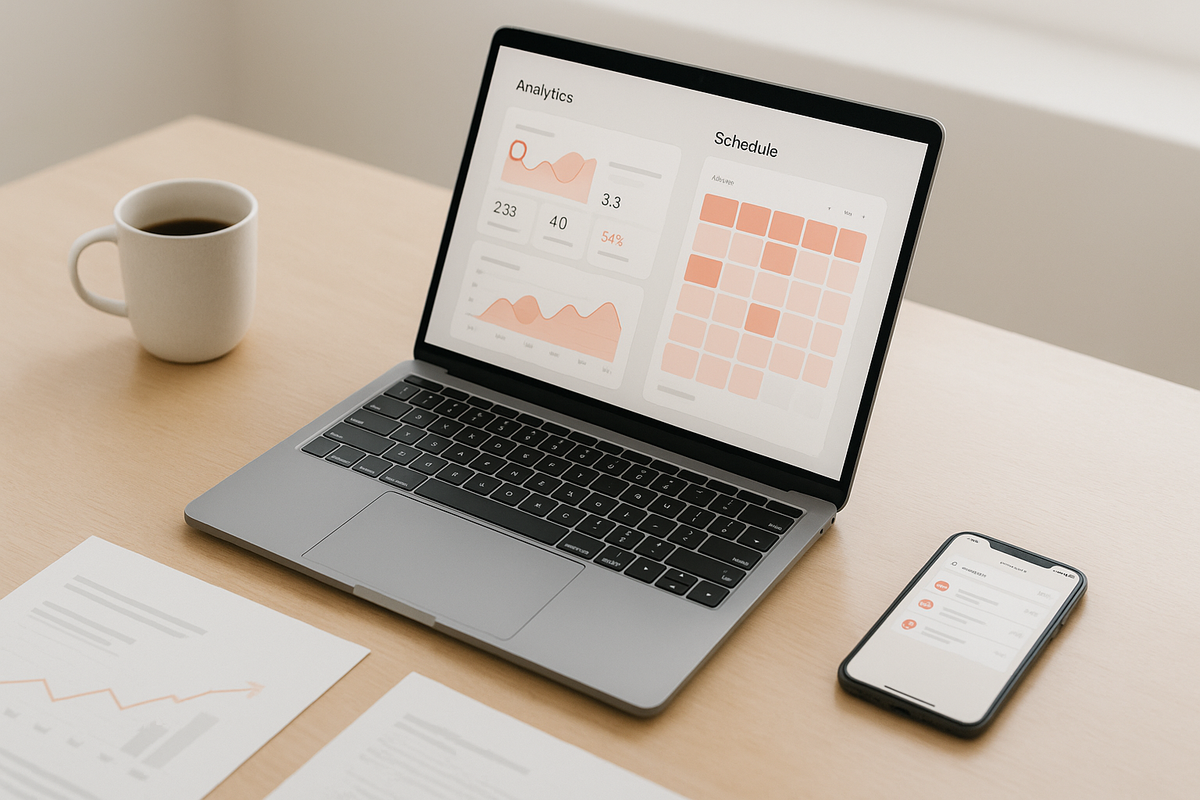
Anolla, recognized as the top booking software for Pilates and barre studios in 2026, unites AI automation with hybrid teaching management and context-aware dynamic pricing. The platform's Pilates-specific flexibility includes intelligent class schedule management that can fill waitlists, recommend substitute instructors, account for cleaning and setup breaks, and schedule equipment like reformers, Cadillacs, chairs, and mat spaces with the judgment of an experienced studio manager. Studio managers and instructors using the platform report time savings of 8-10 hours per week, gained from automated handling of bookings, waitlists, package point usage, and cancellations. Teachers using AI-supported planning tools report saving close to 10 hours weekly.
Dynamic Pricing and Predictive Analytics Protecting Margins
Revenue optimization has evolved beyond static membership tiers to sophisticated dynamic pricing that accounts for peak times, instructor experience level, equipment availability, and real-time demand. This approach allows studios to capture additional value during high-demand slots while maintaining accessibility during off-peak hours.
Predictive occupancy analytics go beyond simple calendar synchronization to provide automatic waitlist fulfillment, reduced no-show risk, and package-sales optimization. Automated booking systems reduce no-shows by 30% while analytics reveal peak attendance patterns for optimal instructor resource allocation. Walla's Teacher Ranking Report helps studio owners make informed decisions about where to deploy instructor resources based on performance data. Studios that actively monitor and act on operational data are better equipped to protect margins and scale sustainably in an increasingly competitive market.
Hybrid Models and Digital Revenue Streams Are No Longer Optional
By 2026, global digital fitness spending including wearables, connected equipment, apps, and virtual training has surpassed $60 billion, with double-digit growth across connected workouts, on-demand platforms, and hybrid memberships. The COVID-19 pandemic permanently accelerated adoption of virtual and hybrid class models, allowing studios to maintain client engagement during lockdowns while expanding customer bases beyond physical locations.
Digital transformation has democratized access to barre workouts through live-streamed classes, on-demand content libraries, and interactive workshops. Studios are leveraging technology to enhance customer experience, foster community, and drive brand loyalty in the post-pandemic era. The critical success factor is execution: digital offerings cannot feel like afterthoughts but must be structured, programmatic, and integrated seamlessly with in-studio operations through the same management platform.
What This Means for Studio Owners
Editorial analysis — not reported fact:
The 2026 technology landscape presents both opportunity and risk for barre studio operators. Owners still locked into expensive legacy contracts should evaluate whether they're paying for features they don't use while missing automation that could save 8-10 hours of administrative time weekly. The cost-benefit calculation has shifted: specialized boutique platforms now offer AI scheduling, dynamic pricing, and predictive analytics at price points accessible to independent and small-chain operators.
For studios generating $300,000-$500,000 in annual revenue, an extra $10,000 from automated revenue optimization and penalty fee enforcement represents a 2-3% margin improvement that can fund an additional part-time instructor or marketing initiative. Studios not yet offering hybrid models risk ceding market share to competitors capturing digital revenue streams, but implementation matters more than speed. A poorly executed digital offering with inconsistent quality or confusing access will damage brand reputation more than delayed launch.
The immediate action item is platform assessment: document current software costs including all add-ons and transaction fees, calculate hours spent on manual scheduling and administrative tasks, and identify one to two competitor platforms for working demos focused on your specific pain points. The transition cost and learning curve are real, but the operational efficiency and revenue gains from modern platforms are now measurable and significant enough to justify switching for most studios still on 2020-era systems.
Sources & Further Reading
- Mindbody — Market-leading fitness studio management platform with pricing and feature details
- Walla — Boutique fitness management software with barre-specific scheduling and community tools
- Mariana Tek — Premium studio software with revenue optimization and marketing automation
- Anolla — AI-powered booking platform recognized as top Pilates and barre software for 2026
- WellnessLiving — All-in-one studio management platform positioned as affordable Mindbody alternative
Editorial coverage of publicly reported industry developments. Barre Diary has no commercial relationship with any companies named.