Registering Your Barre Business: Licenses & Permits
California, Florida, and New York layer bonding, contract rules, and cooling-off periods on top of basic LLC formation. Music licensing remains the most missed compliance issue.
Key Takeaways
- State-specific health studio laws in California, Florida, New York, Illinois, Massachusetts, and Maryland impose bonding requirements, contract disclosure mandates, and cooling-off periods that go far beyond basic business registration.
- Music licensing from ASCAP, BMI, and SESAC is legally required for playing recorded music during classes and costs between $177 and $933 annually per organization depending on student count, yet remains the most overlooked compliance issue until demand letters arrive.
- Certificate of occupancy classification as Group B (Business) versus A-3 (Assembly) under the International Building Code dramatically changes fire safety, plumbing, and egress requirements, with approval timelines stretching 4 to 10 weeks.
- Total startup compliance costs for licenses, permits, and legal filings typically range from $3,500 to $10,000 for independent barre studios, not including buildout or equipment expenses.
- AED requirements exist in approximately 24 to 25 states as of 2026, with New York and Louisiana requiring automated external defibrillators for health clubs with 50 or more members.
Entity Formation and Core Business Registration
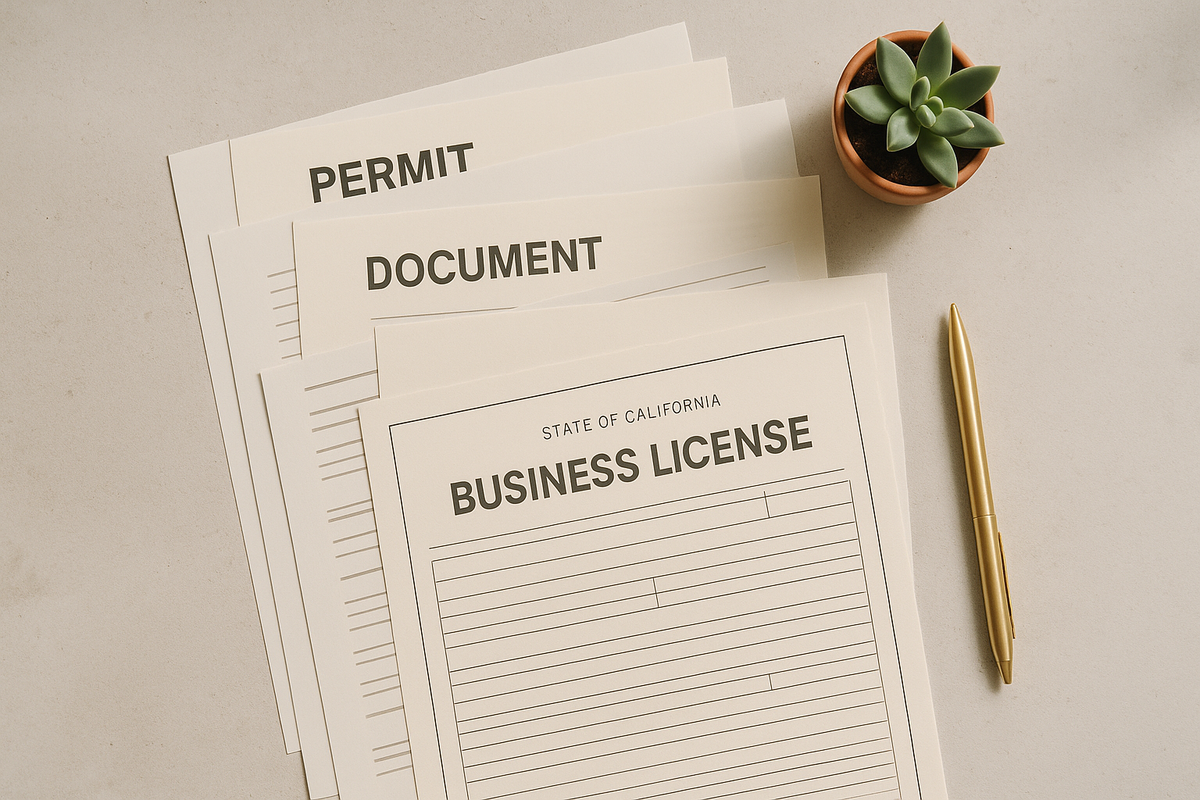
The foundational step for any barre studio is forming a limited liability company or S-corporation to protect personal assets from business liability. State LLC filing fees range from $50 to $800, and hiring a small-business attorney to draft the operating agreement and file paperwork typically costs $500 to $1,500. Once the entity exists, you must obtain an Employer Identification Number from the IRS, which you will need for bank accounts, payroll processing, and issuing 1099 forms to independent contractors.
On top of federal registration, studios need a local business license from their city or county, a state tax ID, and a sales tax permit if selling retail products or charging sales-taxable membership fees. An LLC is almost always the right answer for an independent gym, providing liability protection without the double-taxation structure of a C-corporation.
The State-Specific Regulatory Trap
Where many barre operators stumble is in state consumer protection laws specifically targeting prepaid fitness services. California, Florida, Illinois, New York, Massachusetts, and Maryland all layer extra rules on health and fitness facilities, including bond requirements for prepaid annual memberships, specific contract-disclosure mandates with cooling-off periods, and registration with state attorney general offices.
The Florida Health Studio Act regulates contracts for services with a value over $600 over a term greater than one month, requiring a mandatory three-day cancellation period, specific contract disclosures, bonding or prepaid contract insurance for businesses collecting advance fees, and restrictions on contract duration. California imposes similar requirements under the Health Studio Services Act, including minimum font sizes for specific contract information and mandatory verbiage placement near signature lines.
For studio owners planning multi-location expansion, these state-by-state variances mean membership agreements cannot simply be copied from one market to another. Contract templates that work in Texas may violate consumer protection statutes in New York, exposing operators to enforcement actions and customer refund claims.
Building Code Classification and Certificate of Occupancy
The most time-consuming permit is the certificate of occupancy from the local building department. Gyms change the use of a space, and most commercial spaces aren't pre-approved for assembly occupancy. Getting the right certificate of occupancy requires a building inspection covering exit capacity, occupancy load, fire suppression, and ADA compliance, with timelines running 4 to 10 weeks.
The critical variable is how local code officials classify your fitness center under the International Building Code. Tenant spaces with an occupant load of fewer than 50 people can be classified as Group B (Business) rather than A-3 (Assembly), and this dramatically changes plumbing fixture counts, egress requirements, and fire safety obligations. Whether a boutique barre studio gets classified as A-3 or B often comes down to individual code official interpretation, making pre-application conversations with your building department essential.
Fire safety permits ensure your space meets code for fire exits, sprinkler systems, and occupancy limits, with fire marshals or building inspectors conducting on-site evaluations before granting approval. These permits protect both legal compliance and patron safety in emergencies.
Music Licensing: The Hidden Compliance Gap
Music licensing is the permit that most dance studio owners overlook entirely until they receive a demand letter. When you play recorded music in a business setting, even for private classes and even if you personally own the music, you are publicly performing copyrighted compositions under U.S. law.
You need blanket licenses from the three major Performing Rights Organizations: ASCAP (American Society of Composers, Authors and Publishers), BMI (Broadcast Music, Inc.), and SESAC (Society of European Stage Authors and Composers). Each organization represents a different catalog of songwriters and publishers, and studios typically need all three to cover the range of popular music instructors use in class.
In BMI's contract, studios with 60 or fewer unique students per week pay a $177 annual fee, whereas a studio with 375-plus students pays $933 per year. ASCAP and SESAC have similar tiered pricing structures. Critically, these dance-studio licenses cover only physical locations. A separate sync license is typically required for virtual content, creating a compliance gap for studios that added streaming classes during 2020 and never secured proper digital licensing.
AED Requirements and Insurance Mandates
No federal law requires automated external defibrillators in gyms or fitness centers. As of 2026, about 24 to 25 states impose some form of AED requirement, often with thresholds based on membership size, staffing model, or facility type. New York and Louisiana both use a 50-member threshold for health clubs, while California applies requirements to membership-based health studios under Health and Safety Code Section 104113.
Beyond AEDs, studios need comprehensive insurance coverage. Annual premiums typically run between $3,000 and $7,000 depending on location, class size, and coverage levels. Required policies include property insurance covering equipment and build-out, workers' compensation required in most states as soon as you hire employees, general liability for slip-and-fall incidents, and product liability if selling retail items like sticky socks or apparel.
Some states, notably California, have strict limits on waiver enforceability for health clubs, meaning liability waivers signed by members may not protect studios from negligence claims as comprehensively as operators assume.
Total Cost and Timeline for Compliance
For Pure Barre franchises specifically, licenses and permits range from $0 to $3,000, though this figure sits within a much larger total buildout cost and does not include ongoing compliance expenses like annual music licensing or insurance renewals. Independent studios should budget $3,500 to $10,000 for the full compliance stack, with the following sequencing:
- Form LLC or S-corp and obtain EIN (weeks 1 to 2)
- Apply for local business license and state tax permits (weeks 2 to 3)
- Submit certificate of occupancy application and schedule building inspection (weeks 3 to 13, allowing for the 4 to 10 week approval window)
- Secure ASCAP, BMI, and SESAC licenses before first class (can be done concurrently with building permit review)
- Purchase insurance policies and install AED if required by state law (final two weeks before launch)
What This Means for Studio Operators
Editorial analysis, not reported fact:
The compliance gap between what operators believe they need and what state and local law actually require creates two distinct failure modes. First, well-capitalized franchisees with corporate support systems still get caught on state-specific contract requirements when expanding across state lines, because franchise agreements do not override state consumer protection law. Second, independent operators frequently launch with only an LLC and a business license, discovering music licensing obligations or bonding requirements only after receiving enforcement notices or customer complaints.
The 4 to 10 week certificate of occupancy timeline is the critical path item that delays most launches. Operators who sign leases assuming they can open within 30 days routinely face 60 to 90 day buildouts when Group A-3 assembly classification triggers additional fire suppression or egress work. Budget both time and capital reserves for this phase, and engage a commercial real estate attorney or architect familiar with fitness use codes before signing a lease.
Sources & Further Reading
- How to Open a Barre Studio, startup cost breakdowns including licensing estimates
- Compliance in Health and Fitness: State Laws, Background, Best Practices, and Key Takeaways, comprehensive review of state-specific regulations
- Dance Studio Music Licensing, explanation of ASCAP, BMI, and SESAC requirements
- AED Requirements for Gyms and Fitness Centers, state-by-state automated external defibrillator mandates
- Legal Requirements for Opening a Gym, building code classification guidance
Editorial coverage of publicly reported industry developments. Barre Diary has no commercial relationship with any companies named.