The Barre Equipment Economy: Costs, Smart Gear & Sourcing in 2026
The barre equipment market hit $1.42B in 2024 and is projected to nearly double by 2033. Here's what studio owners need to know about costs, smart features, and sourcing.
Key Takeaways
- Barre equipment market growth: The global barre equipment market reached USD 1.42 billion in 2024, projected to hit USD 2.77 billion by 2033 at a 6.8% compound annual growth rate, making equipment decisions increasingly strategic for studio profitability.
- Franchise equipment costs: Pure Barre's fitness equipment and initial FF&E package ranges from $23,900 to $51,500, while independent studios can launch for $40,000 to $650,000 depending on equipment choices and space decisions.
- Wall-mounted barres save money: Independent operators can save $100 to $200 per barre by choosing wall-mounted units over freestanding models, a meaningful cost reduction when outfitting a 10- to 15-barre studio.
- Smart features now expected: Manufacturers are integrating digital tracking and app connectivity into equipment, appealing to tech-savvy members and creating new differentiation opportunities for studios willing to invest.
- Sustainability drives material choices: Eco-friendly materials and manufacturing processes resonate with environmentally conscious consumers, influencing purchasing decisions for both commercial buyers and home users in 2026.
- Franchise equipment mandates create friction: Barre3 requires franchisees to replace 100 Fitballs every six months and reserves the right to change equipment selections, prompting some operators to choose independence over franchise constraints.
Why Equipment Decisions Matter More in 2026 Than Ever Before
For barre studio owners making equipment purchases this year, the stakes have risen substantially. The barre equipment market reached USD 1.42 billion in 2024 and is on track to nearly double by 2033, according to market research firm DataIntelo. Equipment is no longer an afterthought bundled into startup costs; it has become a core component of studio differentiation, member retention, and bottom-line profitability.
Independent operators face a fundamentally different equipment calculus than franchisees. While Pure Barre's initial fitness equipment package costs $23,900 to $51,500, independent studios report total startup budgets of $120,000 to $160,000, with equipment representing the largest controllable variable. The gap between franchise-mandated gear and cost-optimized independent purchasing has widened in 2026, creating real tension around procurement strategy.
Three forces are reshaping the equipment landscape this year: smart-tech integration becoming standard rather than optional, sustainability pressures influencing material choices, and franchise equipment mandates tightening in ways that push some operators toward independence.
The Real Cost of Outfitting a Studio in 2026
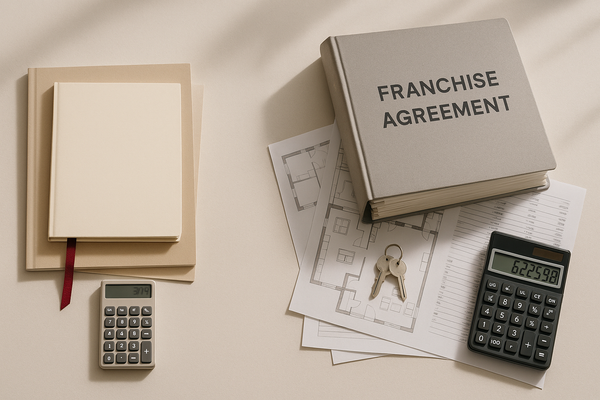
Franchise disclosure documents provide rare transparency into equipment economics. Pure Barre's Fitness Equipment & Initial FF&E Package includes ballet barres, floor mats, tubing, balls, platforms, cuff weights, gliders, and dumbbells, with costs ranging from $23,900 to $51,500 depending on studio size. Total franchisee investment spans $265,000 to $419,000 when leasehold improvements and working capital are included.
Barre3 estimates total investment between $297,667 and $629,468, with branded opening props including exercise balls, bands, straps, and sliders. The franchise reserves the right to change equipment selections and fees depending on studio capacity and size plus taxes and delivery, per franchise disclosure documents reviewed by Barre Diary.
Independent operators can achieve significant savings through strategic sourcing. Wall-mounted barres cost $100 to $200 less per unit than freestanding models, according to DataIntelo's 2026 market analysis. For a studio installing 12 barres, that decision alone saves $1,200 to $2,400. Using existing wood or high-quality laminate flooring rather than installing specialized surfaces can save $3,000 to $65,000, per the same report.
Smart Features and Digital Integration Reshaping Equipment Standards
The equipment market has shifted from purely mechanical gear to digitally connected products. Manufacturers are introducing smart features such as digital tracking and app connectivity to enhance user engagement, according to Verified Market Reports' 2026 industry analysis. Development of smart barre equipment integrated with technology for tracking performance metrics has garnered attention, appealing to tech-savvy consumers who expect the same data visibility they get from Peloton or Apple Fitness.
Modular and space-saving equipment designs are also gaining traction, allowing studios to reconfigure layouts for different class formats without major capital expenditure. For multi-format boutiques offering barre alongside Pilates or HIIT, equipment flexibility translates directly to scheduling efficiency and revenue per square foot.
The integration challenge for studio owners is cost versus differentiation. Smart-enabled equipment typically commands a 20% to 40% premium over traditional gear, but studios that adopt early report using the technology as a retention and marketing tool, particularly when integrated with member apps and social sharing features.
Franchise Equipment Mandates Creating Independent Studio Opportunities
Franchise equipment requirements have become a friction point for operators evaluating their options in 2026. Barre3 franchisees must replace 100 Fitballs every six months and can be required to update, upgrade, or replace studio fixtures and equipment at the franchisor's discretion, according to the franchise disclosure document. These ongoing capital commitments add $2,000 to $5,000 annually to operating costs, depending on studio size.
Pure Barre franchisees report that the brand's customization requirements, developed in partnership with manufacturers like Vita Barre, limit sourcing flexibility. One independent studio owner on Reddit stated that Pure Barre was "too expensive" and "too controlling," choosing to open independently for a fraction of the cost with more freedom over equipment decisions.
The trade-off is brand recognition and systems support versus procurement autonomy and lower capital requirements. In markets where barre awareness is already high, independent operators can leverage equipment cost savings to compete on price or invest differentially in instructor talent and member experience.
Sustainability and Eco-Conscious Materials Influencing Purchasing
Increasing focus on sustainability with the use of eco-friendly materials and manufacturing processes is resonating with environmentally conscious consumers, per Verified Market Reports. Regulatory trends favor sustainable and eco-friendly products, influencing material choices and manufacturing practices across the fitness equipment industry in 2026.
Major manufacturers are responding. Vita Barre, the largest U.S. manufacturer of ballet bars and fitness equipment, has introduced product lines using FSC-certified wood and recyclable metal components. Custom Barres, which serves elite studios and luxury hospitality brands, markets architectural equipment engineered for durability and long lifecycle, reducing replacement frequency and waste.
For studio operators, sustainability is both a values alignment and a marketing opportunity. Studios that highlight eco-conscious equipment choices report positive member feedback, particularly among millennial and Gen Z demographics who prioritize environmental responsibility in purchasing decisions.
Key Vendors and Distribution Channels in 2026
The U.S. barre equipment market is dominated by a small number of specialized manufacturers. Vita Barre is the largest U.S. manufacturer, offering customization for brands like Beachbody and Pure Barre and establishing wholesale relationships that give franchise systems pricing leverage. Vita Vibe Inc. reports 12% to 15% annual revenue growth driven by premium product mix expansion and institutional market penetration, according to market share analysis reviewed by Barre Diary.
Custom Barres manufactures professional architectural equipment engineered to withstand high-use commercial environments, serving elite studios, rehabilitation facilities, universities, and luxury hospitality brands. En Pointe Enterprises has achieved strong positioning through strategic partnerships with major ballet institutions.
For small props, Bala, launched in 2018, has become synonymous with wrist and ankle weights, expanding to include hand weights at $40, yoga mats at $99, and foam rollers at $49. The brand counts Mark Cuban and Maria Sharapova as investors and has collaborated with Dunkin, New Balance, Pucci, and Ralph Lauren, signaling that mainstream fitness aesthetics are influencing barre studios' equipment choices beyond pure function.
Specialty stores, including fitness equipment retailers and boutique studio outlets, continue to play a vital role, offering expert guidance, product demonstrations, and personalized service. The tactile experience of testing equipment before purchase and assurance of after-sales support make them popular among commercial buyers. E-commerce platforms like BalletBarres.com and BalletBarresOnline.com have captured substantial online market share, particularly for independent operators seeking competitive pricing.
Home Equipment Demand Reshaping Commercial Studio Strategies
Home use has emerged as a rapidly growing application segment post-COVID, with consumers investing in barre equipment to replicate studio experiences, driving demand for compact, easy-to-use equipment such as portable barre bars, modular flooring, and resistance bands, according to Verified Market Reports. The portable ballet barre market specifically was valued at USD 138.68 million in 2025 and is expected to reach USD 265.87 million by 2034.
For studio owners, home equipment availability creates both competition and opportunity. Studios that sell or recommend specific equipment for home practice report increased member engagement and a secondary revenue stream. Some operators now view retail equipment sales as a margin opportunity that also reinforces in-studio technique and brand loyalty.
The challenge is positioning: studios must decide whether to compete with home practice through superior experience and community, or to embrace hybrid models where home equipment supplements rather than replaces studio attendance. Equipment choices influence that positioning; studios investing in premium, experiential gear create clearer differentiation from home practice.
What This Means for Studio Owners
Editorial analysis, not reported fact:
If you are opening a studio in 2026, equipment decisions now carry strategic weight equal to location and instructor talent. The cost gap between franchise-mandated packages and optimized independent purchasing has widened to the point where equipment alone can determine whether a studio launches at $120,000 or $420,000. That difference buys runway, marketing budget, or competitive pricing flexibility in your first critical year.
For existing operators, the equipment replacement cycle is accelerating due to both franchise mandates and member expectations around smart features and sustainability. If you operate a franchise, budget 15% to 20% more annually for equipment refresh than you did three years ago. If you are independent, you have arbitrage opportunity: invest selectively in visible, differentiating gear like smart-enabled props or sustainably sourced barres, while sourcing commodity items like resistance bands through competitive e-commerce channels.
The sustainability conversation is no longer optional. Members under 40 increasingly make studio choices based on environmental values, and equipment is tangible proof. Highlighting FSC-certified wood barres or recyclable metal components costs nothing and signals alignment with member priorities.
Finally, franchise operators should model the total cost of ownership over five years, not just initial investment. Required six-month Fitball replacements, mandated equipment upgrades, and restricted sourcing add thousands annually. If those constraints do not deliver offsetting value through brand strength or systems support, independence may offer better unit economics, particularly in markets where barre awareness is already established.
Sources & Further Reading
- DataIntelo Barre Equipment Market Report — comprehensive market sizing, growth projections, vendor landscape, and cost benchmarks for commercial and home barre equipment through 2033.
- Verified Market Reports Barre Equipment Market Analysis — smart features adoption, sustainability trends, and regulatory influences on manufacturing practices in 2026.
- Pure Barre Franchise Disclosure via FranchiseGrade — detailed equipment package costs, total investment ranges, and initial FF&E requirements for Pure Barre franchisees.
- Barre3 Franchise Information via Franchise.com — total investment estimates, branded opening props requirements, and equipment replacement mandates for Barre3 operators.
Editorial coverage of publicly reported industry developments. Barre Diary has no commercial relationship with any companies named.