The Barre Instructor as Human-Centered Leader in 2026
Why barre instruction is future-proof work: the irreplaceable skills of reading bodies, building community, and leading with presence in an AI-driven fitness landscape.
Key Takeaways
- Human-centered leadership is the irreplaceable core of barre instruction. Instructors read bodies in real time, adjust cues on the fly, steady struggling clients, and build the kind of community people return for—work that cannot be automated or delivered through a screen.
- Credential and ethical standards have become the professional baseline. Foundation knowledge in biomechanics, scope of practice, and safety now separates trusted instructors from those who merely learned a routine, with certification opening doors to thought leadership and partnership opportunities.
- Sustainable careers require structure, not just class volume. Long-term success comes from leverage—teaching within consistent formats, stepping into mentor or trainer roles, and building systems that allow growth beyond the studio floor—not from filling more class slots.
- Barre's purpose is shifting toward healthspan and longevity. Programming in 2026 increasingly reflects women's physiology research and sustainable strength principles, aligning with broader industry movement away from purely aesthetic motivation toward holistic health and healthy aging.
- Instructor burnout stems from cognitive overload and lack of support systems. Parallel research on teachers shows that high cognitive load from constant decision-making quickly depletes mental resources, making resilience training and social support critical protective factors against early career exit.
- Average barre instructor pay ranges from $50,560 to $84,689 annually. Per-class rates span $15 to $50 depending on experience and region, with career advancement requiring pathways beyond hourly teaching.
Why the Barre Instructor Role Matters More Than Ever in 2026
The fitness industry is recalibrating in 2026. After years of chasing viral workouts and aesthetic trends, the focus is shifting toward healthspan, healthy aging, and sustainable movement practices. At the same time, instructors face mounting pressure: teaching more classes often leads to physical fatigue, vocal strain, and income that plateaus without clear advancement pathways.
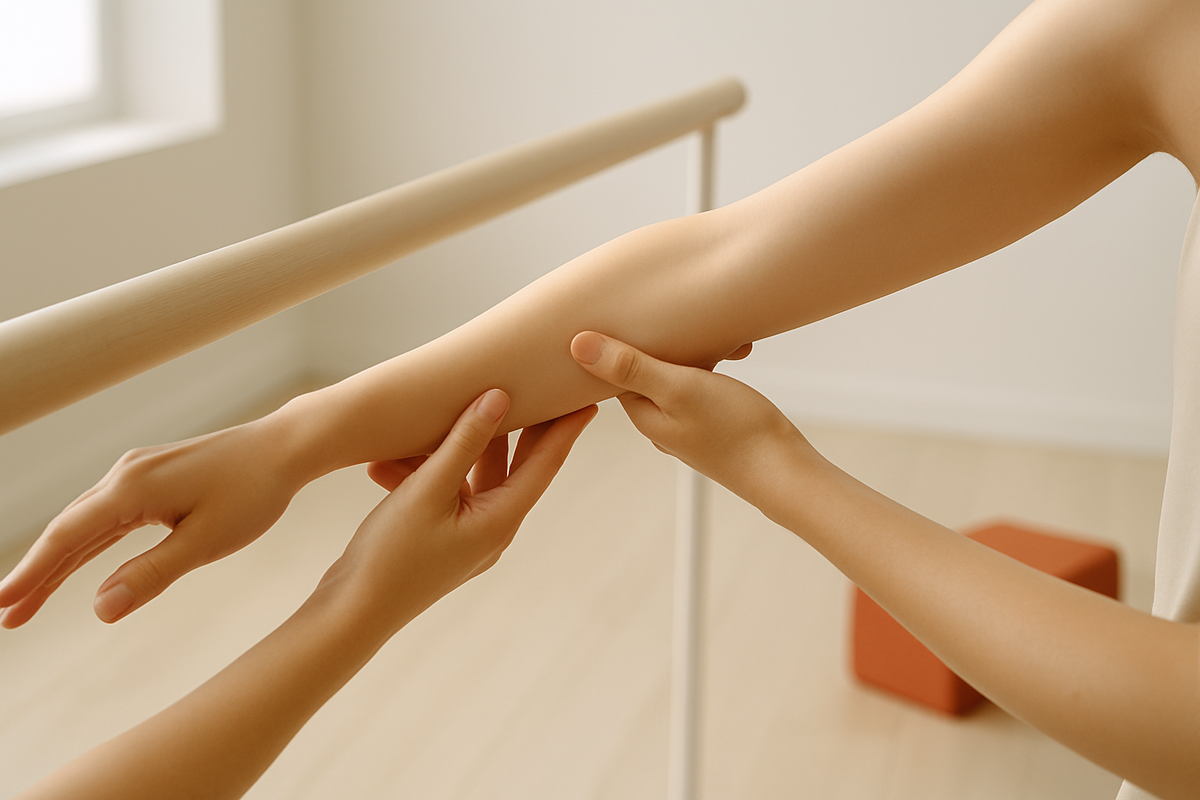
This inflection point creates an opportunity for barre instructors to articulate their irreplaceable value. When teaching barre, instructors do things a screen never will: they read a body and adjust in the moment, they steady someone who's struggling, they lead a room, and they build the kind of community people keep coming back for. In a world racing to automate everything else, teaching barre may be one of the most future-proof things you can do—work that is by its nature irreplaceably human.
From Class Delivery to Human-Centered Leadership
The instructor role has evolved far beyond demonstrating exercises and counting reps. Through teaching, instructors develop leadership skills and adaptability while leading classes of varying size and energy. The job requires learning how to lead a room—a skill set that translates across contexts and can't be reduced to memorizing choreography.
According to professional barre certification standards, refined instruction includes visual and verbal alignment cues, body awareness prompts, muscle activation coaching, progressions and modifications, physical adjustments, musicality, and encouragement to provide a well-rounded experience. Studios like Neighborhood Barre have built their reputations on this comprehensive approach, recognizing that clients pay for expertise, not just a workout playlist.
Many women are stepping away from work that left them burnt out and behind a desk toward something creative, embodied, and genuinely theirs. As certified instructors become thought leaders, they open doors to networking opportunities, speaking engagements, and potential partnerships that can enhance careers beyond the studio floor.
Credentials and Ethical Standards as the New Professional Baseline
The difference between an instructor who learned a routine and an instructor a studio trusts with its students is foundation knowledge in safety, biomechanics, and scope of practice. Certification programs now include training on ethical considerations in fitness instruction, ensuring that practitioners conduct their work with integrity and respect for all clients.
Fitness professionals should ethically provide coaching only in areas where they are sufficiently competent, whether by education, experience under supervision, or other training. This standard protects both clients and instructors, establishing clear professional boundaries that elevate the field.
The Bar Method's high certification standards, requiring patience, practice, and precision in technique, choreography, cues, and anatomy, create an elite class of barre instructors who benefit from one-on-one coaching, continuous education, and opportunities to excel through mentorship and leadership pathways. Meanwhile, Bootybarre has grown into a global phenomenon reaching more than 25 countries with a network of over 8,000 instructors, offering comprehensive certification programs that equip instructors with skills to teach dynamic classes.
Building Sustainable Career Structures Beyond Class Volume
Strong cueing, presence, and technique make you a good instructor, but structure makes you sustainable. This includes teaching within consistent formats, clear expectations and standards, opportunities to grow beyond the floor, and education that supports leadership and longevity.
Systems allow instructors to step into roles like mentor, trainer, or program lead, and make it possible to bring classes into new spaces without starting from scratch. That is where career growth begins. Long-term success in fitness comes from leverage, not volume—a critical distinction as instructors face the physical reality that teaching more classes eventually leads to diminishing returns.
The financial landscape reflects this tension. The average salary for a barre instructor in the United States is $65,314 per year or $31 per hour, with typical pay ranging between $50,560 and $84,689 annually. Most barre instructors are paid per class ranging from $15 to as high as $50, with experience level and region playing a big role in determining where instructors fall within that range. Without pathways beyond per-class compensation, even experienced instructors hit income ceilings that don't reflect their growing expertise.
Barre's Purpose Shifts Toward Healthspan and Women-First Wellness
Educational foundations now guide programming across the barre industry. Every cue, sequence, and class type continues to be guided by the latest research in women's physiology and the biomechanics of sustainable strength, with women-first philosophy becoming a benchmark rather than just a differentiator.
This aligns with broader cultural shifts in 2026. Research shows that 62% of employees say community and social support are essential for sustaining long-term wellness habits, with companies responding with team challenges, group fitness options, volunteer events, and culture-building initiatives. Barre studios are uniquely positioned to deliver this community-centered approach.
Barre3's appointment of Emerald Lopez as President, with her extensive background in values-driven leadership and multi-site growth, marks a new era grounded in sustainable expansion, community care, and the continued evolution of women-first fitness. These shifts signal that the industry is moving beyond transactional class delivery toward holistic member relationships.
The Reality of Instructor Burnout and Cognitive Load
While research on fitness instructor burnout specifically is limited, parallel research on teachers—a similar profession requiring live group leadership—shows the stakes. For new teachers, every single task requires high cognitive load because they've never done it before, and these costs quickly add up until the final bill exceeds the available cognitive balance, helping explain why many new teachers experience burnout and leave early.
Developing resilience enables faculty to better manage stress, recover from setbacks, and maintain motivation, with resilience identified as a crucial factor in protecting teachers from burnout. Social support has been found to significantly moderate associations between stressors and mental health, with social support emerging as a key strategy that can reduce burnout by alleviating work stress.
Barre instructors face similar cognitive demands: reading 15 to 30 bodies simultaneously, adjusting cues for different ability levels, managing music and timing, maintaining energy and presence, and handling interpersonal dynamics—all while demonstrating proper form. Without structured support systems, this load becomes unsustainable.
AI as Support Tool, Not Replacement
Concerns about automation are widespread across industries in 2026, but the barre instruction model offers clarity. AI in fitness isn't replacing personal trainers or instructors—clients still want human connection, accountability, and real-time guidance. AI becomes the quiet support tool that frees up energy for the work only instructors can do.
Teaching barre isn't a step down from a "real" career. In a world racing to automate everything else, it may be one of the most future-proof things you can do: work that is by its nature irreplaceably human. Administrative tasks, scheduling, basic form videos, and workout planning can increasingly be automated, but the moment-to-moment leadership of a live class cannot.
What This Means for Studio Owners
Editorial analysis—not reported fact:
If you want to retain experienced instructors and build a reputation for excellence, invest in the structures that make sustainable careers possible. This means clear advancement pathways beyond per-class pay, mentorship programs that reduce cognitive load for new instructors, and professional development that builds leadership capacity.
Consider how your studio supports instructors through the high-demand early years. Are you providing structured training that reduces the cognitive burden of constant improvisation? Are you creating opportunities for instructors to leverage their expertise through teacher training, specialty workshops, or program development—roles that don't require physical presence for every dollar earned?
The studios that will thrive in 2026 and beyond are those that recognize instructors as human-centered leaders, not interchangeable class delivery mechanisms. Your competitive advantage lies not in viral choreography but in the depth of expertise, community trust, and instructor longevity you cultivate. In an industry recalibrating toward healthspan and sustainable practice, your instructor team is your most important differentiator.
Sources & Further Reading
- Barre Certification Professional Standards—comprehensive overview of certification requirements, ethical standards, and career pathways for barre instructors
- Becoming a Barre Instructor: Career Guide—detailed information on training programs, salary ranges, and professional development opportunities in the barre industry
Editorial coverage of publicly reported industry developments and professional standards. Barre Diary has no commercial relationship with any companies named.