Barre Meets Heavy Weights: The 2026 Instructor Education Gap
Pure Barre Define and hybrid equipment like McORE signal a strength training pivot, but instructor certifications haven't caught up. What studio owners need to know.
Key Takeaways
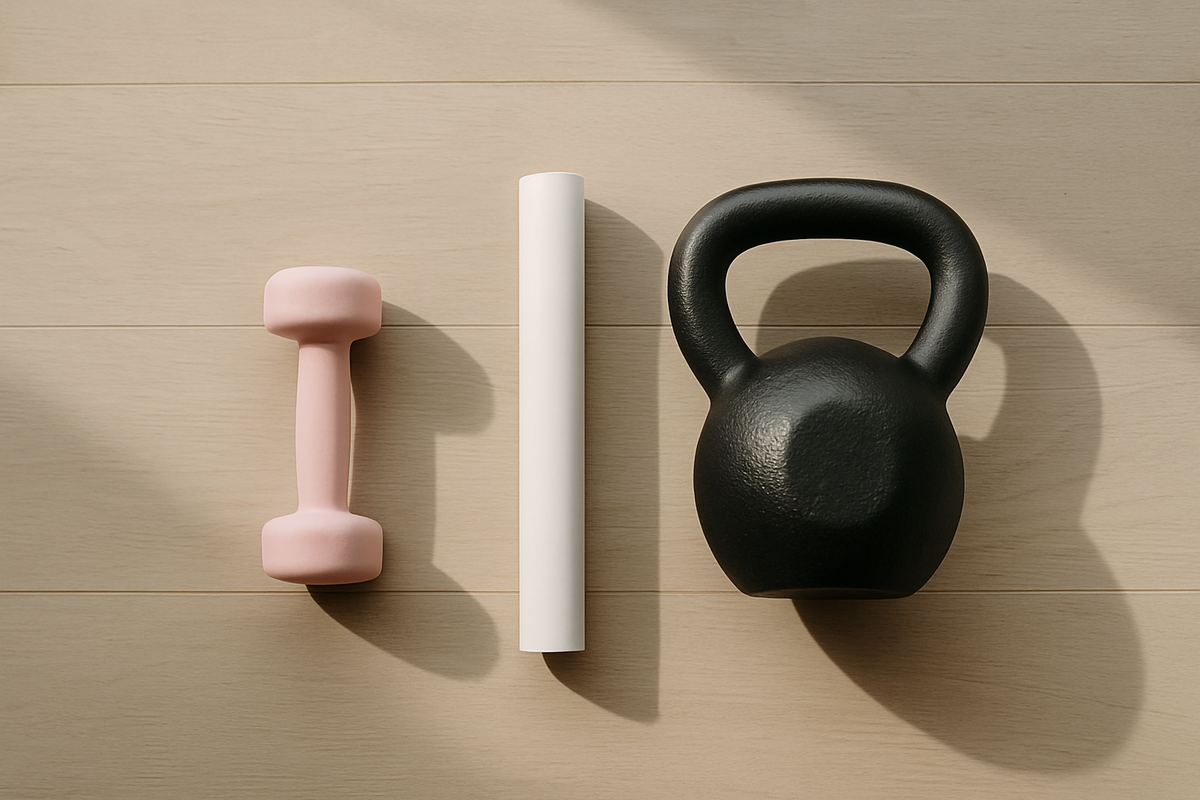
- Pure Barre Define launched in 2023 as the largest U.S. barre brand's answer to mainstream strength training demand, integrating dumbbells and functional movements into 50-minute classes with heavier loads than traditional 1-3 lb barre weights.
- Hybrid equipment like McORE is merging Pilates reformers with digital weight systems up to 200 lbs, a dramatic departure from barre's historically minimal equipment model of barre rails, flooring, and light props.
- Instructor certification programs lag behind format innovation, with most one-day barre courses teaching isometric choreography and light resistance but not progressive loading, functional movement cueing, or strength periodization required for fusion classes.
- The global barre market is projected to reach USD 2.5 billion by 2033 at 9.0% CAGR, driven partly by research linking strength training to a 23% reduction in all-cause mortality and surging participation among older adults and women.
- Studios face a three-way choice in 2026: maintain traditional light-resistance barre, invest in equipment and education for heavy-weight fusion formats, or design hybrid programming that serves both traditional and strength-focused clientele.
Why Barre Brands Are Lifting Heavier in 2026
Strength training has become the most common activity members report at U.S. health clubs, surpassing treadmill running according to Pure Barre's recent market analysis. This shift reflects mounting research on longevity: strength training is linked to a 23% reduction in all-cause mortality, prompting older adults, women, and complete beginners to pick up barbells in record numbers. For an industry historically built on 1-3 lb dumbbells and isometric pulses, this presents both opportunity and operational friction.
Pure Barre, the largest barre brand in the United States, launched Pure Barre Define to fuse its signature technique with weight-based strength training and functional movements over 50 minutes. According to the brand's VP of Training quoted in a 2023 Business Wire announcement, consumers are recognizing the importance of regular strength training, and the format emphasizes heavier weights to develop muscular strength and power. Pure Barre Empower, another offering, incorporates ankle weights and a plyometric platform for 45 minutes of dynamic work.
The trend extends beyond Pure Barre. The global barre market was valued at USD 1.2 billion in 2024 and is projected to reach USD 2.5 billion by 2033, growing at 9.0% annually. Participation in yoga, Pilates, and mobility-focused classes rose 27% between 2022 and 2024, driven largely by suburban boutique studios adding hybrid formats that blend barre fundamentals with resistance bands, Pilates rings, gliders, and increasingly, heavier dumbbells.
Equipment Arms Race: From Barres to 200 lb Digital Trainers
Traditional barre required minimal capital outlay: proper flooring, barre railing, a sound system, and light props. That simplicity is eroding. McORE markets a hybrid machine that integrates a Pilates reformer, interactive display, digital weight training system with up to 200 lbs of resistance, and a massage module in one unit. The barre equipment market itself reached USD 1.42 billion in 2024 and is expected to expand at 6.8% CAGR to USD 2.77 billion by 2033, fueled by demand for versatile fusion equipment.
Resistance bands and adjustable dumbbells remain popular for their portability and affordability, allowing studios to layer strength work into traditional choreography without major capital expense. However, proprietary machines like McORE and the Moformer signal a shift toward equipment-heavy facilities more common in Pilates or functional training gyms. For studio operators accustomed to barre's low overhead, this represents a significant financial and spatial commitment.
The Instructor Education Gap
Barre has exploded as a cornerstone of group fitness, blending elements of Pilates, dance, yoga, and functional training. Yet most certification programs haven't caught up to the strength training pivot. Balanced Body's one-day Barre course, for example, teaches how to thread together essential barre exercises with the precise, intentional movement of Pilates, but offers limited instruction on progressive overload, functional movement patterns, or cueing heavier loads safely.
The gap is operational: instructors trained in isometric holds and high-rep endurance work with 1-3 lb weights must now teach compound lifts, eccentric loading, and periodization principles if they're delivering fusion formats. Few programs specifically address how to cue a deadlift pattern at the barre, how to scale a goblet squat for a beginner who arrived expecting pliés, or how to structure a 50-minute class that balances barre's signature shake with strength adaptation. This creates liability exposure and inconsistent member experience as studios roll out heavier programming without matching pedagogical support.
Format Fragmentation: HIIT, Aerial, TRX, and Beyond
The fusion trend has spawned a proliferation of hybrid formats. HIIT Barre merges muscle-toning benefits with high-intensity interval training in 45-minute classes alternating between foundational barre moves and cardio bursts. Aerial Barre combines ballet, aerial yoga, and Pilates using a hammock alongside the barre. TRX Barre Fusion integrates suspension training principles to target glutes, core, and balance. Each requires distinct equipment, instructor skill sets, and marketing messaging.
This fragmentation poses strategic risk: studios must choose whether to offer a menu of niche formats or consolidate around a single hybrid identity. In 2025, Barre3 expanded by acquiring 11 studios from Studio Barre, with boutique franchises adding barre to diversify offerings alongside Pilates, yoga, or cycle. The acquisitions suggest scale players see value in bundling complementary modalities, but also hint at market consolidation as smaller, single-format studios struggle to compete.
Demographic and Cultural Tensions
Female health and fitness club members in the U.S. are more likely to join yoga, Pilates, or barre studios, and barre has historically skewed female. Introducing "heavy" strength training carries cultural baggage: many prospective members associate barbells with bodybuilding aesthetics or intimidating gym floors. Many barre brands have shifted messaging to embrace body positivity, reducing emphasis on weight loss or appearance-based goals and focusing instead on strength, health, and functionality.
Yet the longevity research driving strength training's rise appeals precisely to the demographic barre serves: older adults seeking bone density preservation, metabolic health, and functional independence. The challenge is framing heavier loads as accessible, not exclusive, and integrating them without alienating members who value barre's original grace and precision.
What This Means for Studio Owners
Editorial analysis — not reported fact:
Studio operators face three paths in 2026. First, maintain traditional programming: light resistance, isometric holds, high-rep endurance work. This preserves brand identity and requires no new capital or instructor retraining, but risks member attrition as strength training becomes table stakes. Second, invest in fusion: purchase hybrid equipment or heavier dumbbell sets, send instructors to functional training certifications, and rebrand classes to emphasize strength outcomes. This captures the longevity-driven market but demands capital, education spend, and careful messaging to avoid alienating traditional clientele. Third, design a hybrid schedule: offer both traditional and Define-style classes, allowing members to self-select. This maximizes addressable market but doubles programming complexity and instructor staffing needs.
The education gap is the most immediate risk. If your instructors learned barre in 2018 on a one-day course emphasizing choreography and light weights, they lack the foundation to teach progressive loading safely. Sending staff to functional training or strength coaching workshops, even short-format online modules on biomechanics and cueing compound movements, is a defensive investment against injury liability and member churn. Equipment can be added incrementally (start with 8-15 lb dumbbells and resistance bands), but teaching competency cannot.
Finally, watch the consolidation trend. Barre3's Studio Barre acquisition and the rise of multi-modal franchises (barre + Pilates + yoga under one roof) suggest that single-format independents will face margin pressure. If you operate a standalone barre studio, consider whether your lease, location, and member base support adding a complementary modality or whether a partnership or acquisition might offer better economics than competing alone.
Sources & Further Reading
- Pure Barre Class Formats — official descriptions of Pure Barre Define, Empower, and traditional offerings
- Pure Barre Unveils New Weight-Based Barre Class (Business Wire, July 2023) — announcement of Pure Barre Define launch and brand strategy
- McORE Hybrid Equipment — manufacturer site for Pilates reformer + digital weight trainer fusion machine
- Global Barre Market Size and Forecast (Verified Market Reports) — market valuation, growth projections, and equipment segment data through 2033
Editorial coverage of publicly reported industry developments. Barre Diary has no commercial relationship with any companies named.