Barre + Strength Training Fusion: Studio Format Evolution
Major chains now offer weighted compound movements alongside traditional isometric work. What this means for instructors and studio owners in 2026.
Key Takeaways
- Strength fusion formats are now mainstream: Major chains including Pure Barre, The Bar Method, and barre3 have launched dedicated classes that combine traditional barre technique with dumbbells (1–12 lbs), resistance bands, TRX, and compound movements over 45–50 minute sessions.
- Isometric-only barre faces functionality questions: Critics argue that small, isometric exercises common in traditional barre do not build functional strength the way compound movements do, because many barre movements are not used outside of dance contexts.
- Heavier weights and slower tempos are research-backed: barre3 spent months researching and determined that incorporating heavier weights and slowing down movements transforms outcomes, improving pain, mobility, and muscle engagement.
- Instructor specialization is a 2026 growth lever: The fitness industry now offers more business opportunities than ever for instructors who specialize in formats like barre, Pilates-inspired movement, or functional strength, with private and small-group training in high demand.
- Equipment evolution reflects the shift: Studios are standardizing props including light dumbbells, stability balls, gliders, resistance bands, and body-weight exercises to target every muscle group in a single session.
- Practitioner demand is strong for fusion: Feedback from yoga-barre hybrid platforms shows peri-menopausal women especially value formats that balance strength with low-impact, gentle movement, reducing injury risk while building muscle.
Why Major Chains Are Adding Weighted Compound Movements to Core Offerings
The barre industry is undergoing a format evolution driven by both practitioner demand and a growing debate over what qualifies as functional strength training. In 2026, major national chains have launched explicit strength fusion classes that depart from traditional light-weight, high-repetition isometric work.
Pure Barre Define fuses classic barre technique with weight-based strength training to develop muscular strength and power, combining Pure Barre fundamentals with additional dumbbell training in functional movements over 50 minutes. Pure Barre Empower layers in high-intensity interval training, using dynamic movements with ankle weights and a plyometric platform to target multiple muscle groups simultaneously over 45 minutes.
The Bar Method now incorporates dumbbells ranging from 1 to 12 pounds to sculpt the upper body, including triceps, biceps, and shoulders. Their Bar Strength format amplifies the traditional class with more weighted exercises and compound movements designed to increase muscle engagement.
barre3 conducted months of research to determine that incorporating heavier weights and slowing down movements would transform their workout, improve pain and mobility, and help practitioners engage more deeply with each exercise.
The Functionality Debate: Does Traditional Barre Build Real-World Strength?
A critical question persists in the fitness industry: does barre count as legitimate strength training? One criticism is that strength gains from small, isometric exercises do not build functional strength in the same way that compound movements common in traditional strength training do, because many of the movements used in barre class are not used anywhere but in dance.
Proponents and emerging research push back. Barre builds strength through isometric exercises and small, controlled movements, with the isometric training improving muscular endurance, or muscles' ability to work for extended periods without tiring. Low-impact, high-repetition barre workouts combined with strength training exercises can help build muscle endurance and leave practitioners feeling strong, lean, and toned.
The hybrid fusion approach directly addresses this gap. Physique 57 blends cardio and strength training into every workout, meaning practitioners are burning calories and building muscle at the same time, not just performing isolated movements.
How Functional Movement Principles Are Reshaping Instructor Training
Instructor specialization in formats like barre, Pilates-inspired movement, or functional strength is emerging as a key growth area in 2026. Balanced Body Barre training emphasizes applying Movement Principles for better understanding of functional movement, with training described as dynamic and functional, working with light weights to develop strength, flexibility, and endurance.
Studio-level adoption shows the trend is mainstream. Studios are incorporating props such as light weights, bands, stability balls, gliders, and body weight to tackle every muscle in the body. Barre Strength classes at independent studios focus on building muscular strength and endurance by incorporating intense isometric holds and targeted resistance exercises.
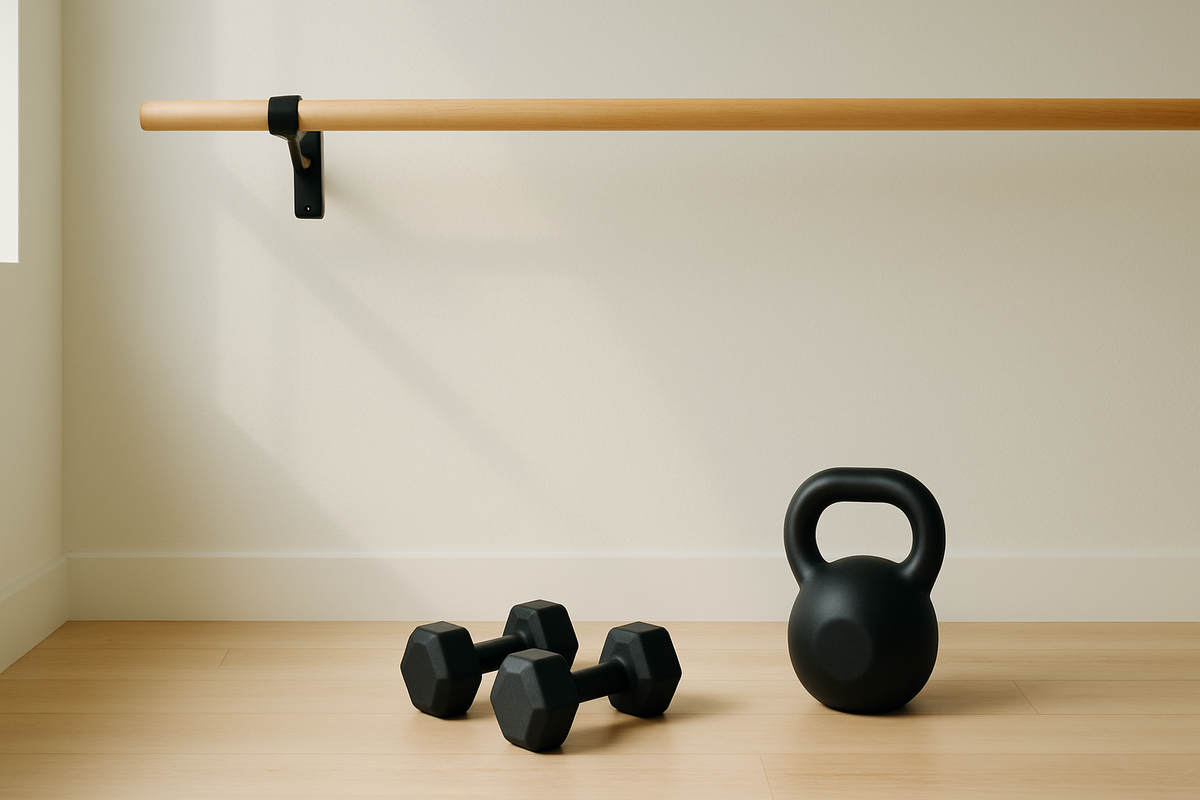
Barre classes feature exercises that utilize the bar commonly used in a traditional dance studio plus resistance such as light dumbbells, small inflatable balls, light resistance bands and tubing, as well as body-weight exercises. The equipment evolution reflects pedagogical shifts toward compound, multi-joint movements that mirror daily activities.
Business and Career Opportunities for Instructors in 2026
The fitness industry in 2026 offers more opportunities than ever for instructors to turn their skills into a real business, with specialization in formats like barre, Pilates-inspired movement, or functional strength key to growth. Private and small-group training with strong technique cues is in demand, allowing instructors to build a thriving client roster.
However, there is also a sustainability challenge. Over time, teaching more classes does not equal growth and often leads to physical fatigue, vocal strain, and inconsistent income, with many instructors plateauing early without a plan beyond teaching. Specialization in strength fusion formats may offer a differentiation path that supports both higher per-session pricing and reduced physical load per class.
Practitioner Feedback: What Clients Are Asking For
User feedback from fitness platforms reveals strong appetite for fusion formats. On yoga and barre hybrid platforms, participants report that while peri-menopausal women are advised to lift some weights but often end up with injury, barre-yoga fusion offers a perfect balance—gentle yet strong—with requests for more Yoga and Barre fusion classes.
This demographic insight is significant: women in midlife represent a large and underserved segment seeking strength training without high-impact risk. Fusion formats that layer weighted work into low-impact, controlled movement patterns may address this gap more effectively than either traditional barre or conventional strength training alone.
What This Means for Studio Owners
Editorial analysis — not reported fact:
If you operate a barre studio or teach independently, the shift toward strength fusion formats presents both a competitive necessity and a revenue opportunity. Studios that continue to offer only traditional light-weight, high-repetition classes risk being perceived as less functional or less results-driven than competitors who have adopted weighted compound movements.
From a programming perspective, consider piloting a dedicated strength fusion class one to two times per week, using dumbbells in the 3–10 lb range and incorporating compound movements like squats, lunges, and overhead presses alongside traditional barre sequences. Track attendance and client feedback closely; if demand is strong, expand the schedule and consider certifying additional instructors in functional movement principles.
From a business development angle, strength fusion classes may support higher pricing tiers, particularly for small-group or semi-private formats. Private training with strong technique cues is in demand, and clients willing to pay premium rates for personalized attention are often seeking measurable strength outcomes, not just muscle endurance. If you have not yet added private or semi-private strength fusion sessions to your service menu, this is a high-margin addition to explore.
Finally, invest in continuing education for yourself and your team. Instructor specialization is a 2026 growth lever, and the studios that thrive will be those whose instructors can articulate the biomechanical rationale for weighted compound movements, modify exercises for injury history, and design progressions that build functional strength over time. This is not just a format trend; it is a pedagogical evolution.
Sources & Further Reading
- Pure Barre Class Formats — descriptions of Define and Empower strength fusion offerings
- The Bar Method Workout Overview — details on Bar Strength format and weighted upper-body work
- barre3 Research on Heavier Weights — months-long study on weight integration and movement tempo
- Physique 57: Is Barre Effective as Strength Training? — industry debate on functionality of isometric work
- The Bar Method: Is Barre Strength Training? — defense of isometric training for muscular endurance
- Balanced Body Barre Certification — functional movement principles in instructor training
- BarreForte: Career and Business Opportunities in 2026 — instructor specialization and sustainability challenges
- Yoga Anytime Barre-Yoga Fusion — practitioner feedback on hybrid formats for midlife women
- Wikipedia: Barre (Exercise) — overview of equipment and exercise modalities
- ACSM Top Fitness Trends 2026 — industry-wide context on Pilates, barre, and mind-body formats
Editorial coverage of publicly reported industry developments. Barre Diary has no commercial relationship with any companies named.