Barre Studio Boom: Consolidation, Design & Multi-Revenue Models
Barre3's Studio Barre acquisition, 50%+ profit margins for independents, and design-first interiors redefine the US barre landscape in 2025–2026.
Key Takeaways
- Barre3 completed a strategic acquisition of Studio Barre in 2025–2026, adding 11 studios across California, Montana, Rhode Island, and South Carolina and crossing the 200-studio milestone to become the largest independently women-owned omnichannel boutique fitness brand.
- Multi-revenue business models are redefining profitability: leading franchises now operate four distinct revenue streams—tiered memberships, on-demand online access, on-site childcare (Play Lounge), and premium private sessions—moving beyond the single-revenue class-package ceiling that caps most boutique fitness concepts.
- Owner-operated independent studios achieve 50%+ profit margins when membership exceeds 150–200 clients, with a 120-member studio generating $223,200 in annual revenue and $121,440 net profit (54% margin), while franchise models see lower margins due to royalty fees and higher overhead.
- Design-first interiors are now a competitive moat: studios are hiring architects and interior design firms to create spa-like sanctuaries with luxury textiles, cushioned reception seating, and sensory-focused environments that position barre as a "third space" rather than a transactional workout venue.
- North America remains the largest barre market, accounting for approximately $650 million in revenue as of 2024, with the sector experiencing consolidation around brands that combine structural advantages—premium amenities, design integration, and diversified income streams.
Strategic Consolidation Reshapes the Barre Franchise Landscape in 2025–2026
The barre studio sector entered a new phase of maturity in 2025–2026 as barre3 acquired San Diego-based Studio Barre, a 17-year-old brand founded by Shannon Higgins with 11 franchised locations across California, Montana, Rhode Island, and South Carolina. The transaction, which CEO Sadie Lincoln described as bringing a "client-first mentality" into the barre3 system, added 10 new franchise owners to the network and pushed barre3 past the 200-studio threshold globally.
The acquisition follows barre3's earlier purchase of The Barre Code, a well-known Midwest studio model, signaling an aggressive consolidation strategy. With 204 studios worldwide as of early 2026, barre3 has been recognized as the #1 barre franchise in Entrepreneur's 2026 Franchise 500, ranking in the top 10% of all franchises nationwide. The brand reports a 27% year-over-year increase in average unit volume (AUV), underscoring the financial performance driving its expansion.
Why Multi-Revenue Business Models Are Outperforming Single-Stream Studios
Traditional boutique fitness franchises depend on a single revenue source—class packages or memberships—which inherently caps earning potential. Barre3's model, by contrast, is structured around four distinct revenue streams that operate simultaneously within each studio footprint.
The foundation is a tiered membership structure offering unlimited memberships (bundled with barre3 online access), 4-class and 8-class monthly plans, and drop-in class packages. This flexibility serves varied client budgets and creates predictable recurring revenue. Second, studios include a dedicated childcare space called Play Lounge, a value-added service that broadens the addressable client base to parents and generates incremental fees. Third, private sessions are gaining traction in urban markets with affluent clientele, commanding premium pricing for personalized attention and tailored programming. Fourth, barre3's omnichannel approach integrates digital content, allowing studios to monetize beyond their physical walls.
According to industry analysis, owner-operated independent studios with 120 members generate $223,200 in annual revenue and $121,440 in net profit, translating to a 54% profit margin. However, profitability is highly dependent on scale: studios with fewer than 100 members struggle to achieve viability, while those with 150–200+ members enter "strong profitability" territory. Franchise models typically see lower margins due to royalty structures—barre3 charges a $50,000 initial franchise fee and 6% monthly royalties—but the trade-off is access to established brand equity, operational playbooks, and the diversified revenue infrastructure that independent operators must build from scratch.
Design-First Interiors as Competitive Differentiation and Client Retention Strategy
A growing cohort of barre studios is treating interior design not as an afterthought but as a core element of brand positioning and client experience. This shift reflects broader consumer expectations in the boutique fitness category, where studios compete not only on programming but on atmosphere, amenities, and the intangible sense of sanctuary.
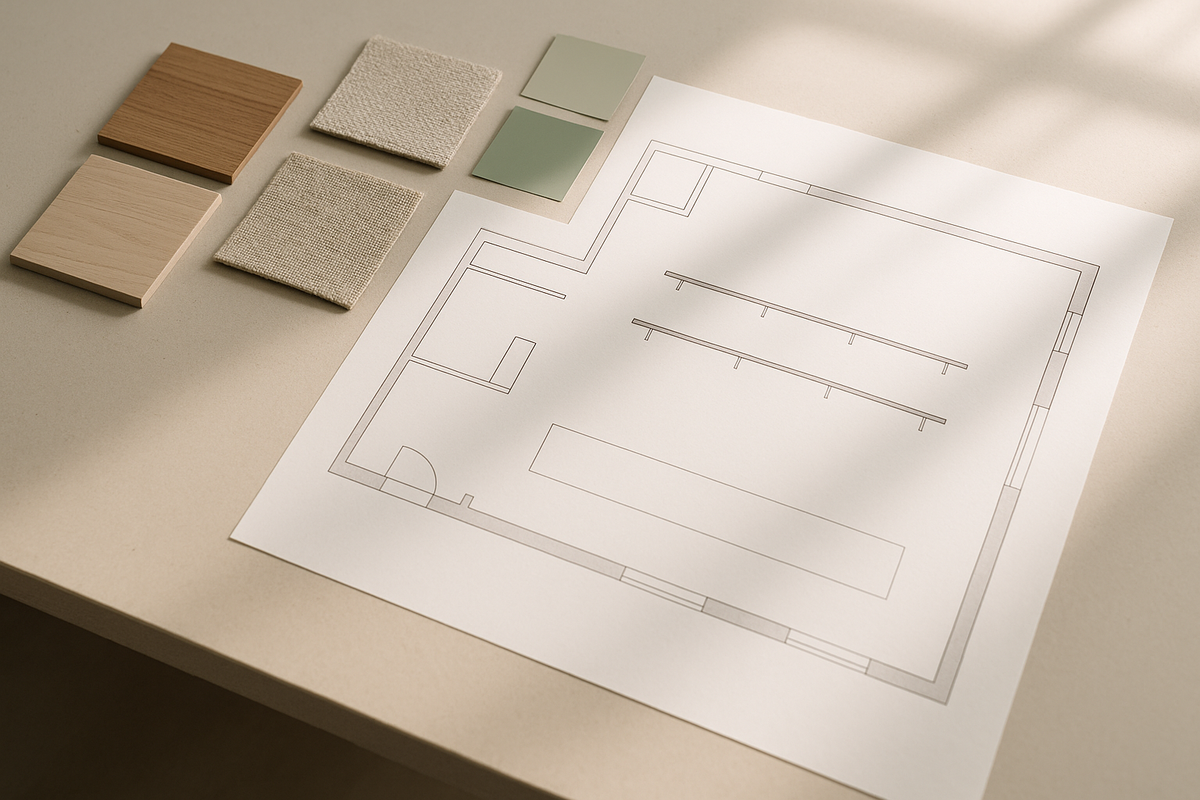
A 1,000-square-foot Greenwich studio designed by Cindy Rinfret and the team at Rinfret, LTD exemplifies this trend. The founder, a veteran barre instructor, specified a "boutique" aesthetic that would function as a sanctuary, incorporating soft, luxurious rugs in the studio room and cushioned seating in the reception area to evoke comfort and care. The design "touches on all senses," per the studio's description, signaling an intentional move away from clinical gym environments toward hospitality-inspired interiors.
Similarly, when Xtend Barre sought to scale its franchise network globally, leadership commissioned Fabiano Designs, a full-service architecture and interior design firm, to create a replicable 3,100-square-foot flagship in Boca Raton, Florida. The project began with a vision board process to codify not only the visual aesthetic but the emotional "feel" of the space—critical for franchise owners seeking to replicate brand consistency across diverse markets. Another example, Barre Fitness studios designed by Fabiano Designs, translates the brand's "strength behind beauty" ethos into spatial design, creating environments that empower clients while reinforcing brand identity.
Emerging design trends in 2026 include LED lighting, digital mirrors, and sleek metallic finishes that emphasize innovation and align with studios integrating smart workout equipment and tech-forward branding.
North American Market Size and the Consolidation Imperative
North America remains the largest and most mature market for barre studios, accounting for approximately $650 million in revenue as of 2024. While the sector remains profitable—profit margins range from 20% to over 50% for well-managed operations—the market is consolidating around brands that offer structural advantages: diversified revenue, premium amenities, and design integration as differentiators.
Consolidation benefits larger franchises through economies of scale in marketing, technology infrastructure, and vendor negotiations, while smaller independent studios face mounting pressure to compete on experience and community rather than price alone.
What This Means for Studio Owners
Editorial analysis — not reported fact:
If you operate an independent studio, the path to sustained profitability in 2026 hinges on two priorities: achieving and maintaining 150–200+ members to unlock 50%+ margins, and differentiating on experience rather than competing on price. The data shows that studios under 100 members struggle with viability, so growth must be intentional and metric-driven. Consider whether adding a second revenue stream—private sessions, on-demand content, or childcare—could stabilize cash flow and broaden your client base without requiring significant new square footage.
For those evaluating franchise opportunities, barre3's multi-revenue model and competitive royalty structure (6% monthly, $50,000 initial fee) offer a compelling case study in how to build earning potential beyond the class-package ceiling. However, franchisees should model unit economics carefully: even with brand support, margins will be lower than owner-operated independents due to royalties and compliance costs.
On the design front, studios opening or renovating in 2026 should treat interior design as a strategic investment, not a cosmetic upgrade. Hiring an architect or interior design firm with hospitality or boutique fitness experience can create a competitive moat in saturated markets where clients choose studios based on atmosphere and amenities as much as programming. The goal is to position your space as a "third place"—a sanctuary clients want to spend time in—rather than a transactional workout venue.
Sources & Further Reading
- Barre3 acquires Studio Barre (Franchising.com, March 2025) — details of the 11-studio acquisition and rebranding timeline
- Barre3 announces acquisition of Midwest studio model The Barre Code (Athletech News) — background on barre3's consolidation strategy
- Entrepreneur Franchise 500 rankings (2026) — barre3 ranked #1 barre franchise and top 10% nationwide
- Barre3 franchise information — overview of four-revenue-stream model and franchise fees
- Reddit discussion: barre studio profitability and unit economics — community analysis of margins, membership thresholds, and owner-operator vs. franchise models
- Reddit discussion: pricing and private session trends — client perspectives on premium pricing and value drivers
- Barre Studio Market Research Report 2024 (LinkedIn) — North American market size and revenue data
- Rinfret, LTD: Barre Studio Greenwich project — case study in sanctuary-focused interior design
- Fabiano Designs: Xtend Barre flagship and replicable franchise design — vision board process and hospitality-inspired spatial design
- Fabiano Designs: Barre Fitness studio interiors — design philosophy translating brand ethos into built environment
- Gym interior design trends 2024 (Fabiano Designs, LinkedIn) — LED lighting, digital mirrors, and tech-forward finishes
Editorial coverage of publicly reported industry developments. Barre Diary has no commercial relationship with any companies named.