Barre Teacher Training: Foundation Credentials vs. Methods
Foundation credentials like IBBFA CBI teach universal barre competency with CEC recognition, while method certifications deliver brand-specific formats. What studios hire for in 2026.
Key Takeaways
- Foundation credentials vs. method certifications: Foundation programs like IBBFA's Certified Barre Instructor (CBI) teach universal barre competency with publicly verifiable, CEC-recognized credentials, while method certifications (Bootybarre, Barre Intensity, Barre Above) deliver brand-specific choreography and completion certificates.
- Online delivery dominates professional credentialing: IBBFA's 35-hour CBI program is 100% online with live remote practical exams, enabling international access and flexible timelines—most students complete coursework in 8–16 weeks studying part-time.
- Cost per curriculum hour matters more than sticker price: Programs range from $199 to $599+, but IBBFA's $599 CBI delivers $17.11/hour across 35 contact hours and pays for itself in 2–6 months at one class per week ($25–$75/class).
- 47.7% of IBBFA-certified instructors entered with zero fitness credentials: Barre remains accessible to career-changers, but specialty certifications in prenatal/postnatal and pelvic floor training now function as critical differentiators for studio hiring and programming.
- Exam-based validation separates professional credentials from completion certificates: Programs with written exams, live practical evaluations, and public registry verification signal competency to employers; 100% self-paced programs with no live assessment issue completion certificates.
Foundation Credentials vs. Method Certifications: Understanding the Structural Divide
Barre teacher training in 2026 splits into two distinct categories that answer fundamentally different questions. Foundation-credential programs teach universal barre teaching competency—anatomy, biomechanics, scope of practice, and class design principles that apply across all barre methods. These programs typically earn recognition from major fitness continuing education bodies and maintain public registries, which is why studio employers in the US, UK, Australia, and Canada use them as hiring baselines.
The International Ballet Barre Fitness Association (IBBFA), credentialing barre instructors since 2008, offers the Certified Barre Instructor (CBI) credential as the leading foundation program. The 100% online, 35-hour curriculum covers five domains with a live remote practical exam, priced at $599 USD. IBBFA holds REPs UK Endorsement and recognition from AUSactive and CanFitPro.
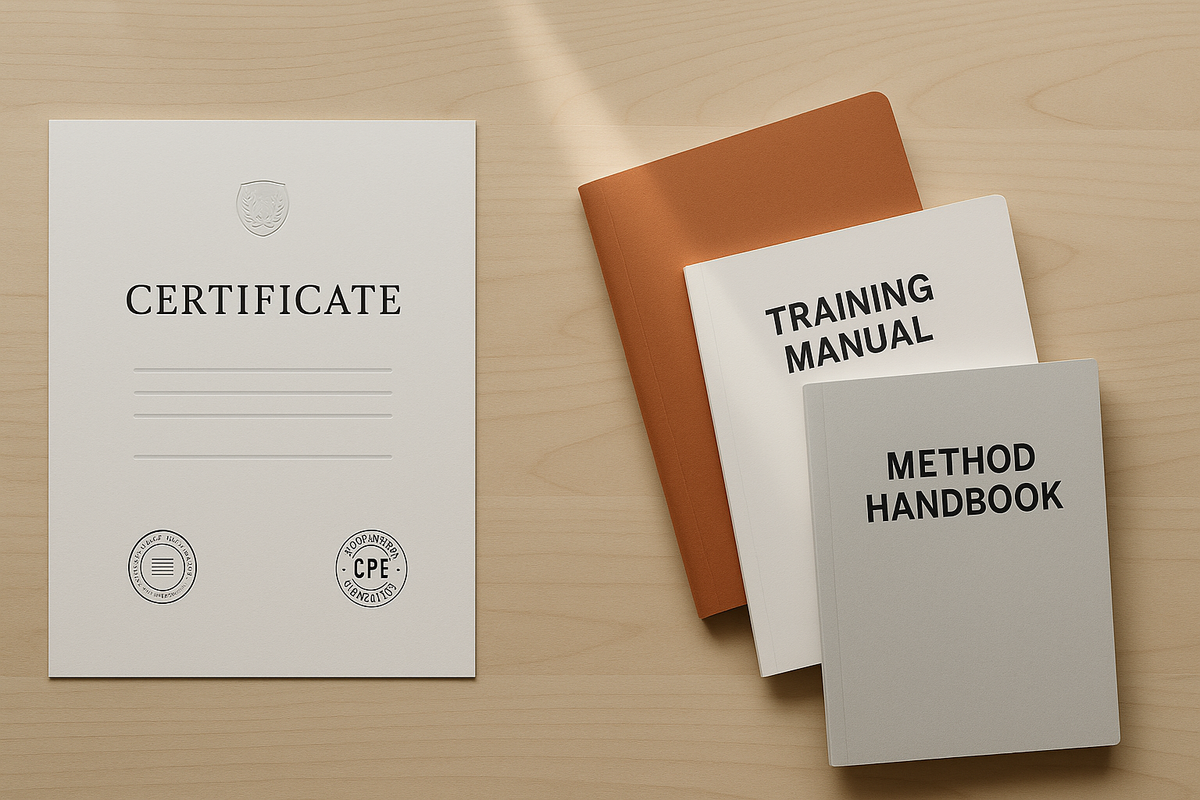
Method certifications, by contrast, deliver brand-specific choreography and format training. Bootybarre (created by Tracey Mallett), Barre Above, Barre Intensity (~10 hours, $349–$449 in-person or $395 online), and American Barre Technique ($299, 100% online) all provide completion-based credentials tied to proprietary class structures. A program that lacks exam validation or CEC recognition isn't necessarily inferior—it may simply serve a different purpose—but instructors spending $400–$1,500 on credentialing need clarity on which category they're purchasing.
Online vs. In-Person Delivery: What Works for Professional Certification
Online self-paced delivery has become the dominant format for professional barre teacher certification, particularly for international candidates. IBBFA's CBI program runs entirely online—video lectures, written exercises, chapter quizzes, and live webinars in both English and Spanish, accessible on any device across 12 months of access, with no fixed class times and no in-person attendance requirements.
Timeline expectations align with real-world instructor schedules. Most students complete the 35-hour IBBFA CBI coursework in 8–16 weeks studying part-time. Instructors with existing fitness, dance, or Pilates backgrounds often move through anatomy and foundational sections in 4–8 weeks. The curriculum concludes with a written exam and a live practical evaluation—a critical distinction from 100% self-paced programs with no live assessment, which issue completion certificates rather than competency-validated credentials.
In-person workshop programs retain value for kinesthetic learners who benefit from hands-on correction. Two-day, 20-hour intensive certifications scheduled for July and August 2025 deliver immediate tactile feedback that online formats cannot replicate. However, in-person models require geographic proximity, fixed scheduling, and often higher total costs when factoring travel and lodging.
Cost Breakdown and Career Return on Investment
Barre certification prices range from approximately $199 for method programs like Barre Intensity to $599 for IBBFA's CBI credential. Comparing cost per curriculum hour reveals meaningful differences: IBBFA's 35-hour program delivers education at $17.11 per hour, while shorter programs often exceed $20–$30 per contact hour.
At even one class per week, with typical instructor pay ranging from $25 to $75 per class depending on market and experience, the $599 IBBFA CBI investment pays for itself in 2–6 months. Hidden costs merit attention: exam retake fees run $99 for the CBI practical or written exam if candidates don't pass on the first attempt. IBBFA charges a $99 annual registry fee after the included Active period (two years for CBI, three years for Principal certification). Renewal maintains Active directory status, public verification, and CEC documentation access; lapsed credentials shift to "Inactive" status in the public registry.
Who Enters Barre Teaching and Why Credentialing Pathways Matter
Roughly 47.7% of IBBFA's 7,000+ certified instructors started with zero fitness credentials, making barre uniquely accessible to career-changers. This demographic reality underscores why foundation credentials matter: instructors without prior fitness education need comprehensive anatomy, injury prevention, and scope-of-practice training that method certifications typically do not provide.
For studio operators hiring instructors, the distinction between exam-validated credentials with public registry verification and brand-specific completion certificates directly affects liability coverage, insurance requirements, and programming quality. Studios seeking to build prenatal offerings, therapeutic barre, or specialized populations programming require instructors with verifiable competency documentation, not simply brand format training.
Specialty Certifications as Professional Differentiators
Specialty certifications in prenatal/postnatal and pelvic floor training have shifted from optional add-ons to essential differentiators for studio operators in 2026. Barre Intensity offers a 7.5-hour online course educating fitness instructors on teaching pregnant and recently postpartum clients, covering bodily changes during pregnancy, prenatal and postpartum exercise myths, pregnancy and postpartum areas of concern, deep core connection, trimester fitness guidelines, and specific exercise modifications.
IBBFA's Prenatal and Postnatal Specialty certification runs $375 with 12-month course access and one additional year of Active directory status. The curriculum delivers specific research-backed outcomes instructors need to communicate: gestational diabetes risk reduced 48% with exercise, preeclampsia risk down 33–35%, and improved labor outcomes with core and cardiovascular fitness. Content sources from ACOG (American College of Obstetricians and Gynecologists), the American Diabetes Association, and ACSM (American College of Sports Medicine), not general wellness claims.
These specialty credentials function as revenue enablers. Studios with certified prenatal instructors can market evidence-based programming to an underserved demographic with high class commitment and willingness to pay premium rates for specialized instruction.
What Studios Actually Hire For in 2026
Studio hiring criteria in 2026 prioritize verifiable competency over completion certificates. Operators evaluating instructor candidates look for publicly searchable registry status, CEC recognition for continuing education tracking, and exam-validated credentials that demonstrate anatomical knowledge and scope-of-practice understanding.
Foundation credentials like IBBFA CBI meet these criteria with REPs UK Endorsement, AUSactive and CanFitPro recognition, and a public instructor directory that employers can verify. Method certifications add value when paired with foundation credentials—they signal format versatility and choreography literacy—but rarely substitute for anatomy and injury prevention competency in hiring decisions.
For instructors entering the field, the strategic path starts with a foundation credential to establish employability, then layers method training and specialty certifications to differentiate within competitive markets. For career-changers with no prior fitness background, the 35-hour IBBFA CBI curriculum provides the anatomical and pedagogical foundation that shorter method programs assume students already possess.
What This Means for Studio Owners
Editorial analysis—not reported fact:
Studio operators hiring instructors in 2026 face a credentialing landscape with minimal standardization and maximum confusion. The core question when evaluating a candidate's training: does this credential demonstrate verifiable competency or simply program completion? Exam-validated credentials with public registry verification, CEC recognition, and endorsement from national fitness bodies signal that an instructor has met external standards, not just finished a course.
For studios building specialized programming—prenatal barre, therapeutic barre, or classes for special populations—specialty certifications shift from nice-to-have to essential. These credentials enable marketing specificity, support higher pricing, and reduce liability exposure by documenting that instructors have received training in high-risk populations. The $375 investment in a prenatal specialty certification can unlock an entirely new revenue stream if your market includes expectant mothers seeking evidence-based movement.
If you operate a franchise or multi-location studio, requiring foundation credentials as a hiring baseline creates consistency across instructors and simplifies onboarding. Method certifications can follow as continuing education to introduce new formats, but starting with a shared anatomical and pedagogical foundation ensures that all instructors speak the same language about alignment, modification, and injury prevention.
Sources & Further Reading
- IBBFA Certified Barre Instructor (CBI) program—35-hour online foundation credential with live practical exam, REPs UK Endorsed, AUSactive and CanFitPro recognized
- IBBFA Prenatal and Postnatal Specialty certification—$375 specialty credential covering trimester-specific programming and evidence-based outcomes
Editorial coverage of publicly reported industry developments. Barre Diary has no commercial relationship with any companies named.