Beginner's Path to Barre: Format Choice & Studio Anxiety
It takes three classes to understand barre postures and cues. How studios use challenges, hybrid practice, and that critical 10-minute arrival window to convert first-timers into committed clients.
Key Takeaways
- Format confusion and studio anxiety are the biggest beginner barriers. It takes approximately three classes to understand barre postures and instructor cues, and fear of judgment creates cognitive overload that prevents beginners from focusing on form.
- Tiny movements, not big ones, define barre work. Beginners accustomed to running or weight lifting often struggle with the micro-adjustments that bring muscles to fatigue, and common mistakes include gripping the barre during moments of panic rather than using a light "karate chop" hand position.
- Studio-first strategy accelerates learning, but hybrid practice drives retention. In-person instruction allows real-time form correction essential for beginners unfamiliar with ballet-inspired movement, while on-demand platforms priced at $29.99/month enable two to three weekly home sessions between studio visits.
- Structured challenges reduce beginner drop-off. Pure Barre's First 10 Challenge (10 classes in 30 days) and 2025 Barre Stronger Challenge (which saw 28,615 participants and 15,059 completers) demonstrate how studios use milestone-based onboarding to establish consistent routines for new practitioners.
- Arrive 10 minutes early and communicate with your instructor. First-timers should disclose injuries, experience level, and specific movement struggles before class begins so instructors can offer modifications and adjust equipment.
- Home practice requires minimal equipment but structured progressions. Beginners can start with a mat, chair, and light dumbbells, following predictable class flows: warm-up, upper body work, thigh and glute exercises, core training, and cool-down stretching.
Why Beginners Struggle With Barre (And What Instructors Need to Know)
The barre industry is experiencing rapid consolidation and growth as of mid-2026, with recent acquisitions signaling strong market demand. Yet beginner anxiety remains a persistent barrier to entry. According to industry analysis published by RitFit Sports, for those accustomed to running or weight lifting, tiny movements can be a significant adjustment, and one common misconception is that clients need to make big movements when the small, controlled pulses actually bring muscles to fatigue.
Cognitive overload compounds the physical challenge. Per the same RitFit Sports report, it takes approximately three classes to truly understand what is happening in a barre workout, including postures and instructor cues. Fear of judgment creates a mental preoccupation that prevents beginners from listening and watching for form corrections. Brief moments of panic cause clients to grip the barre tightly, a major technical error; instructors now teach the "karate chop" hand position to prevent this mistake.
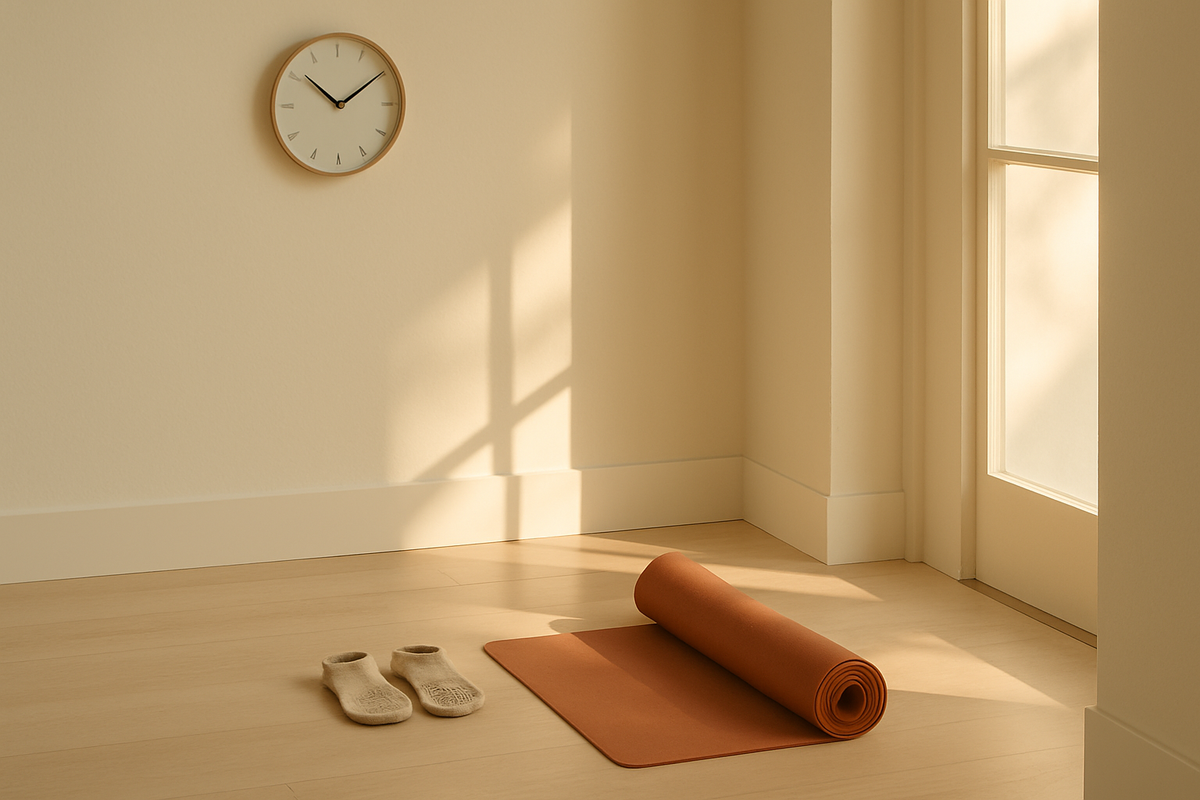
First-timers also consistently underestimate setup time. Drawing from instructor best practices, beginners should arrive 10 minutes before class starts to allow time for equipment adjustments, injury disclosure, and anxiety-reducing conversation with the instructor.
What Studio Instructors Expect From First-Time Clients
Communication before the first plié is critical. According to guidance from barre instructors, the top resource in any class is the instructor, and before class begins it is essential to let them know it is your first time, disclose any injuries, and identify moves you struggle with. This 60-second conversation enables instructors to offer targeted modifications rather than generic cues.
Modifications are not remedial. Many instructors prefer starting an exercise at the modification level and progressing intensity from there, allowing beginners to build confidence and muscle memory before advancing. This approach acknowledges that barre attracts a detail-oriented, progression-focused clientele willing to invest in technique over immediate intensity.
Studio vs. Home Practice: When Each Format Makes Sense
The studio-first strategy accelerates foundational learning. As noted in barre methodology guidance, a major benefit to studio classes is that instructors can observe form and correct alignment in real time, which is particularly helpful for beginners who have not done this type of dance-inspired work before. Visual and tactile corrections address grip mistakes, pelvic tilts, and shoulder tension that video platforms cannot diagnose.
Home practice fills the gap between studio sessions but requires structure. Many at-home barre exercises use only body weight for resistance, and common household items substitute for specialized equipment. Most barre classes follow a predictable flow: warm-up, upper body work, thigh and glute exercises at the barre or chair, core training, and cool-down stretching. A February 2026 profile in Fit&Well featured barre instructor Tara Riley's 15-minute at-home routine blending barre precision with Pilates functional principles, focusing on coordination, control, and balanced muscular development.
The hybrid model is now standard. Students want to practice between studio sessions, and platforms offering both live scheduling and on-demand video eliminate the cost of maintaining two separate subscriptions. According to a February 2025 report by Today, streaming barre workouts allow beginners to learn basics from the privacy of their living room, with experienced instructors providing supportive, personalized guidance and no ballet experience necessary.
On-Demand Platforms and Specialized Formats Beginners Should Know
The on-demand landscape has matured significantly over the past 18 months. Barre3 blends traditional barre with yoga-inspired balance work and Pilates core principles, offering a 15-day free trial where every class provides multiple levels, making it accessible for beginners while challenging advanced practitioners. Pure Barre GO, priced at $29.99 per month, is positioned as a premium companion to studio attendance, enabling two to three additional home sessions per week.
Specialized hybrid formats are emerging to address different beginner preferences. Barre 45 blends barre and high-intensity interval training, while Cardio Barre combines barre work, light weights, and floor work described as a body-sculpting approach designed to lengthen, strengthen, and create a long, lean physique. Instructors should be prepared to explain these format distinctions during introductory conversations.
How Studios Use Challenges to Onboard Beginners
Structured milestone programs reduce beginner drop-off by creating accountability and celebration milestones. Pure Barre's First 10 Challenge, announced in January 2025, invites participants to complete 10 classes in their first 30 days, a cadence designed to establish consistent fitness routines, and those who complete the challenge receive a prize marking their progress and fueling continued commitment.
The model scales. Pure Barre's 2025 Barre Stronger Challenge saw 28,615 participants, with 15,059 completing 20 classes in 31 days, a frequency designed to promote consistency and drive long-term results. These participation numbers signal both the scale of beginner interest and the effectiveness of challenge-based onboarding in converting trial clients into committed members.
What This Means for Studio Owners and Instructors
Editorial analysis — not reported fact:
If you operate a barre studio or teach introductory classes, your first 10 minutes with a beginner determine whether they return for class three (the comprehension threshold) or disappear after class two. The data showing it takes three sessions to understand postures and cues means your intro sequence must prioritize cognitive clarity over physical intensity. Script your welcome conversation: ask about prior movement experience, explain the "karate chop" hand position before panic sets in, and normalize modifications as the starting point rather than the fallback.
The 28,615-participant challenge result proves that structured milestones work, but only if your studio can deliver consistent, beginner-appropriate instruction across all time slots. Audit your schedule: are morning and evening classes equally accessible to first-timers, or do certain instructors intimidate newcomers with advanced choreography? If you are pushing on-demand subscriptions, frame them explicitly as between-studio practice, not studio replacements, and provide a curated beginner playlist rather than an overwhelming library of 200 unlabeled videos.
For instructors, the cognitive overload problem is your leverage. A beginner paralyzed by fear of judgment will not hear your cue about pelvic tilt, but a beginner who arrived 10 minutes early, disclosed a knee issue, and received a personalized modification will. That early arrival window is not a nicety. It is your retention tool. Use it to build the trust that allows a first-timer to stop gripping the barre and start listening.
Sources & Further Reading
- RitFit Sports: What is a Barre Workout — Overview of beginner challenges, common mistakes, and instructor expectations in barre classes (2026)
- Today: Exercises for Barre Workout at Home — Guidance on streaming platforms, equipment substitutions, and privacy benefits of at-home practice (February 2025)
- Fit&Well: 15-Minute Barre Routine for Stronger Hips, Glutes and Core — Profile of Tara Riley's at-home routine blending barre and Pilates principles (February 2026)
- Business Wire: Pure Barre Powers Up 2025 with Challenges — Announcement of First 10 Challenge and participation data from 2025 Barre Stronger Challenge (January 2025)
Editorial coverage of publicly reported industry developments. Barre Diary has no commercial relationship with any companies named.