Music, Flow State & Breathwork in Modern Barre Classes
How strategic music selection, phase-structured playlists, and breathwork integration are transforming barre into a holistic wellness experience that drives retention.
Key Takeaways
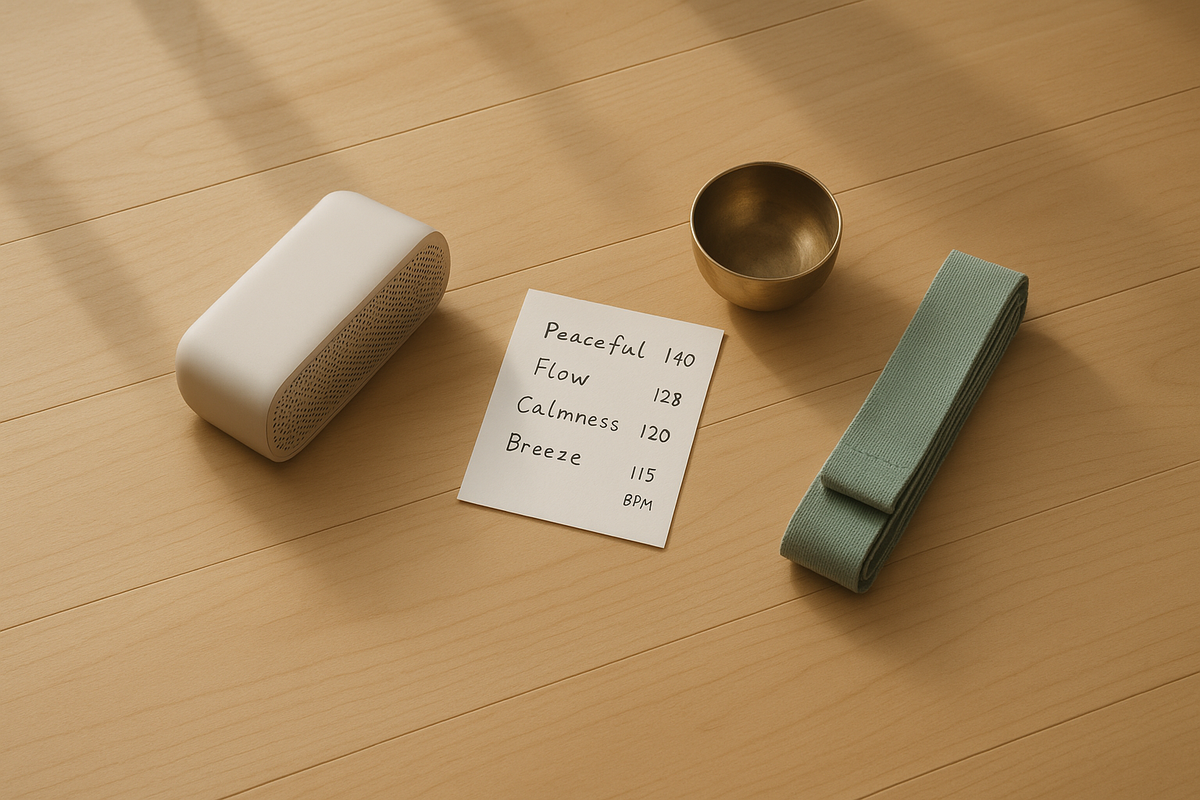
- Optimal BPM range for barre: Most effective barre music sits between 124-130 BPM, providing steady rhythm for controlled, precise movements without compromising form or engagement.
- Phase-structured playlists enhance flow state: Strategic music sequencing—Amapiano for warm-ups, high-BPM EDM for peak intensity, downtempo tracks for cool-downs—helps participants drop into flow by aligning body rhythms with tempo.
- Breathwork closes the stress loop: Leading studios like barre3 now end every class with diaphragmatic breathwork to stimulate the vagus nerve, shifting the nervous system from "fight or flight" to "rest and digest."
- Mindfulness drives intrinsic motivation: The constant focus on form and breath creates an "active meditation" effect that increases self-compassion and long-term exercise adherence far more effectively than appearance-focused goals.
- Holistic wellness positioning is a competitive advantage: As Gen Z trades alcohol spending for fitness investment, studios integrating nutrition, mindfulness training, and breathwork attract health-conscious consumers seeking comprehensive wellness ecosystems.
Why Music Selection Has Become a Strategic Teaching Tool
Music is no longer background ambiance in barre studios. In 2026, instructors are treating playlist architecture as a science-driven engagement strategy. Research on barre music programming shows the ideal track typically sits between 124-128 BPM, providing a steady, motivating pulse that supports fluid, coordinated movements.
The specifics matter significantly. At 130 BPM, the beat guides controlled, precise movements perfect for small isolated muscle engagements, striking a balance where classes maintain momentum without sacrificing form. This year, instructors are leveraging phase-structured playlists where warm-ups feature Amapiano's steady groove, intensity peaks transition to high-BPM EDM or Phonk, and cool-downs return to downtempo, melodic tracks supporting recovery and mindfulness.
How Music Unlocks Flow State in Movement Practice
Music plays a central role in guiding tempo and intensity, and this connection to the beat helps with timing, coordination, and keeping participants mentally engaged. Flow state represents rhythm in motion, where the body and nervous system naturally align with musical tempo, stabilizing internal mental state and enabling practitioners to drop fully into the present moment.
A critical teaching nuance: calm focus supports exercises requiring good form and precise execution, meaning maximum hype does not equal flow. Tracks with excessively high BPM can actually push students out of flow state, creating a hurried or overhyped feeling that compromises the mind-body connection barre uniquely provides.
Playlist Structure as Emotional Journey Architecture
Barre playlists strike a balance between energizing and grounding, using softer pop remixes or light electronic tracks to maintain focus without overwhelming the room. The purpose is less about pushing raw intensity and more about creating an environment where participants feel calm, centered, and in tune with their movement.
Effective playlists incorporate variety across three dimensions: mixing old and new songs, blending genres, and varying intensities throughout the class arc. This structural approach mirrors the holistic wellness shift the barre industry is experiencing in 2025-26, where digital integration, recovery practices, and mindfulness programming are surging.
Breathwork Integration as Nervous System Regulation
Breathwork—specifically diaphragmatic or deep-abdominal breathing—naturally slows heart rate, stabilizes blood pressure, and stimulates the vagus nerve. This down-regulating practice helps the nervous system shift out of "fight or flight" and into "rest and digest" mode, creating measurable stress resilience over time.
Every barre3 class ends with breathwork, reflecting a studio-wide commitment to closing with nervous system regulation. The Barre and Breathe format brings together 45 minutes of dynamic strength work with 15 minutes of restorative breathwork, exemplifying the hybrid programming gaining traction this year. Louisville's Cielo Breathwork, located within Barre3 Middletown, illustrates studio-level cross-pollination of these modalities.
Cueing Breath During Peak Challenge Moments
When things get challenging during barre class, bringing attention to breath can help students push through movement and extract more benefit from the workout. If participants feel tempted to quit an exercise, switching focus to breathing provides an anchor point that sustains effort without force.
Instructors provide breathing cues throughout class not as optional add-ons but as core technique. Every barre3 class format features intentional cueing that encourages mindfulness even in the most challenging moments, cultivating intrinsic motivation and deepening the mind-body connection that drives long-term adherence.
Mindfulness as the Retention Mechanism
The constant focus on form, posture, and muscle engagement creates what practitioners describe as an "active meditation" effect. This leads to reduced stress and mental clarity, explaining why many clients make barre a non-negotiable weekly practice.
Mindfulness-based fitness increases self-compassion, which directly supports long-term exercise adherence. Intrinsic motivation—rooted in how movement feels and the mental benefits it provides—keeps people engaged far more effectively than appearance-focused goals. This represents a measurable pivot from purely aesthetic-driven messaging to wellness-first positioning that studios need to communicate clearly in their marketing and class design.
The Broader Wellness Consumer Shift
Barre's mindfulness integration aligns with a larger generational spending shift. Young people are moving from "barstools to barbells," with alcohol spending at its lowest level in 40 years while fitness spending increases. This demographic is seeking holistic wellness ecosystems, not isolated workout transactions.
The integration of nutrition counseling, mindfulness training, and retail offerings creates comprehensive wellness environments that appeal to health-conscious consumers willing to invest in their mental and physical wellbeing simultaneously.
What This Means for Studio Owners
Editorial analysis—not reported fact:
If your studio still treats music as Spotify background noise and breathwork as an optional cool-down, you are leaving retention and referral potential on the table. The competitive advantage in 2026 belongs to studios that communicate their classes as holistic wellness experiences, not calorie-burn sessions.
Concretely, this means training instructors to build phase-structured playlists with intentional BPM progressions, scripting breath cues into peak challenge moments rather than only during stretching, and allocating dedicated class time—even five minutes—to post-workout breathwork. Market these elements explicitly: "Flow-state music architecture" and "nervous system regulation" are phrases that resonate with the wellness-first consumer now dominating studio enrollments.
Studios positioned at the intersection of movement and mindfulness are capturing the Gen Z and millennial clients driving current fitness spending growth. The question is not whether to integrate these elements but how quickly you can train your team and adjust your messaging to reflect the holistic value you already deliver.
Sources & Further Reading
- Instructor Music guide to barre workout music—covers optimal BPM ranges and tempo strategies for barre classes
- Physique 57 on rhythm and dance-inspired barre—explains how music tempo affects movement quality and coordination
- Barre Series on workout playlist design—instructor perspectives on mixing genres and intensities
- barre3 blog on stress resilience and breathwork—details how breathwork stimulates the vagus nerve and regulates nervous system response
- Bar Method on mindfulness during class—practical guidance on cueing breath during challenging sequences
- barre3's 2026 industry outlook—trends in holistic wellness programming and intrinsic motivation research
- WBUR report on Gen Z fitness spending—demographic shift from alcohol to wellness investment
- BPS Tensegrity Barre and Breathe format—45-minute barre paired with 15-minute restorative breathwork
- Breathwrk on fitness instructor breathwork integration—benefits of incorporating breathwork across class formats
- Cielo Breathwork at Barre3 Middletown—example of studio-level breathwork and barre cross-programming
Editorial coverage of publicly reported industry developments. Barre Diary has no commercial relationship with any companies named.