Recoding Barre: Anti-Diet Culture & Trauma-Informed Teaching
How trauma-informed cueing, anti-diet language, and representation gaps are reshaping barre in 2026—and where studios still fall short on inclusive values.
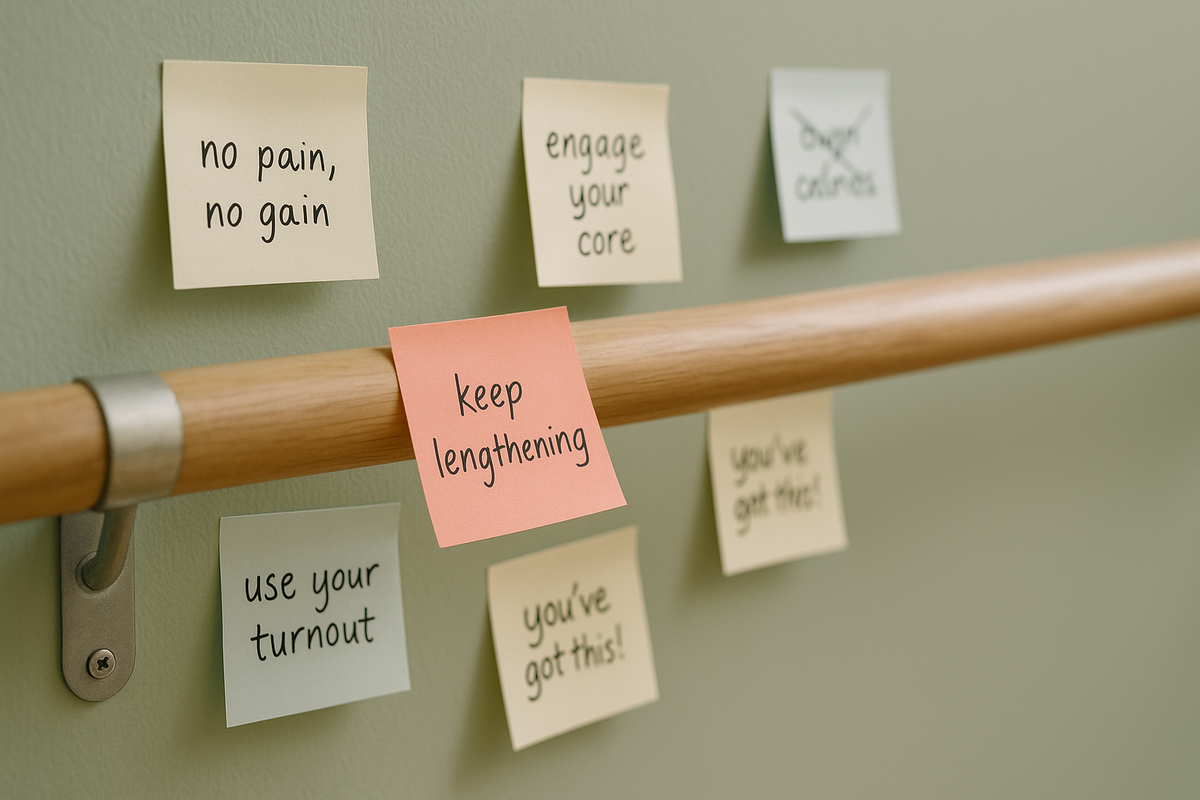
Key Takeaways
- Trauma-informed teaching is becoming structural, not optional: With 70% of U.S. adults having experienced trauma-related events, leading studios now train instructors in nervous-system-friendly cueing, layered modifications, and consent-based teaching to address physical manifestations like anxiety, insomnia, and chronic pain that can block fitness progress.
- Prenatal, postnatal, injury-aware, and low-impact programming are now essential offerings: What studios once positioned as specialty add-ons in 2024-2025 have become baseline expectations in 2026, alongside clear cueing and a culture of encouragement rather than performance pressure.
- Anti-diet language is reshaping class design, but industry contradictions persist: Progressive instructors protest body-shaming cues and calorie-burning motivations, yet many studios still appropriate body positivity while excluding older adults, people with disabilities, BIPOC, and gender non-conforming clients from marketing and instruction.
- Representation gaps remain the industry's biggest barrier to credibility: Barre continues to perpetuate a narrow image that underrepresents body diversity and BIPOC instructors; hiring visibly diverse teams and amplifying Black voices are now recognized as foundational to client belonging, not cosmetic gestures.
- Instructor certification programs now include inclusive cueing and sequencing modules: Training organizations like Barre Above embed "inclusive and engaging cueing, layering, and sequencing for success" into core curricula, signaling that technique and accessibility, not aesthetics, define teaching excellence in 2026.
Why Barre Is Shifting From One-Size-Fits-All to Body-Diverse Programming
The barre industry is undergoing a structural transformation, moving away from homogeneous class design toward programming explicitly built for different bodies, abilities, ages, and life stages. This is no longer niche positioning reserved for boutique studios. According to a 2026 industry analysis published in Barre Series, prenatal and postnatal movement, low-impact strength, injury-aware programming, and nervous-system-friendly classes are now essential offerings, alongside clear cueing, layered options, and a culture of encouragement.
Three convergent pressures are driving this shift. First, ACE Fitness reports that 70% of adults in the U.S. have experienced some type of trauma-related event, creating real demand for movement spaces that acknowledge the physical manifestations of trauma such as body aches, headaches, anxiety, insomnia, and increased substance use. Second, the fitness industry as a whole remains very white and very thin, even as studios actively recruit diverse instructor talent. Third, anti-diet fitness professionals are creating safe spaces for all body types and promoting intuitive exercise rather than traditional motivations like calorie burning and weight loss.
The contradiction is stark: barre still battles an elitist, thin-body legacy while claiming inclusivity, making this moment ripe for scrutiny from both clients and instructors who expect alignment between stated values and lived classroom experience.
Trauma-Informed Teaching as a Teachable Skill, Not a Marketing Buzzword
Trauma-informed teaching has emerged as a genuine differentiator in 2026, but only when studios move beyond appropriating the language and implement real nervous-system awareness in class design. ACE Fitness notes that trauma often manifests physically, and if left unsupported, can be a significant barrier to clients reaching their health and fitness goals. Individual instructors and studios are adopting courses in trauma-sensitive language, inclusive language techniques, and functional anatomy to create effective and functional workouts that are truly accessible for all.
Progressive instructors now describe a trauma-informed, all-body-celebrating approach where every level receives options and modifications so everyone feels strong and empowered. ACE's Fitness for Healing continuing education course exemplifies how certification bodies are formalizing trauma-informed approaches. Clear cueing, layered options, and a culture of encouragement allow clients to feel safe exploring their edge without pressure to perform or keep up, which is foundational to nervous-system regulation.
The gap between rhetoric and practice remains visible. Studios that truly implement trauma-informed teaching train instructors in consent-based cueing ("you might try," "if it feels right"), avoid sudden loud cues or music changes, and design sequences that allow clients to self-regulate rather than pushing through discomfort. Those using trauma-informed language as a marketing veneer without changing instructional design risk deepening client mistrust.
Anti-Diet Culture Meets Barre's Body-Toning Legacy
The anti-diet movement posits that bodies can be healthy at any size, representing a pivot away from diet and fitness culture embodied by weight-focused companies. Progressive barre instructors protest diet culture and refuse body-shaming language, reframing cues away from "burn off" or "sculpt" toward strength, endurance, and how movement feels. Yet the industry faces a credibility problem: fitness industries have appropriated and commodified the body positive movement, excluding older people, people from diverse races, individuals with physical disabilities, and gender non-conforming people.
For barre specifically, this tension is acute. Many studios still market using "body-toning" and "sculpting" language that implies a narrow aesthetic ideal, even as they claim inclusive values. Barre Above's instructor certification program now emphasizes "inclusive and engaging cueing, layering, and sequencing for success" and "inclusive language and thoughtful cues to create a supportive environment for all bodies, experience levels, and learning styles." This signals that technique and accessibility, not aesthetics, are becoming the teaching frontier.
Barre3, founded in 2008 by Sadie Lincoln in Portland, Oregon, has grown to over 170 locations across the U.S. and internationally, each with a focus on body positivity, empowerment, and redefining what success in fitness means. Barre3's model demonstrates that anti-diet positioning can be commercially viable and scalable, not just a boutique differentiator.
Representation Gaps Remain the Industry's Biggest Barrier
The fitness industry as a whole perpetuates a singular image that underrepresents BIPOC, and barre is no exception. Studios are committing to amplify Black voices and celebrate Black bodies, but if diversity isn't increased, the fitness industry will continually cater to men and thin, white women. Body diversity, not just racial diversity, must be celebrated and represented.
Representation in fitness is about access, inclusivity, and changing harmful narratives; seeing people who look like you in fitness spaces fosters belonging, while the lack of diverse bodies leads to narrow, unrealistic beauty standards that discourage participation. Hiring for diversity matters because representation helps clients feel seen, and a visibly diverse instructor team is foundational to credibility.
The fitness industry has undergone a transformation moving away from narrow beauty ideals toward a more inclusive ethos, driven by recognition of the strength inherent in diversity. The emphasis is increasingly on overall health, strength, and personal empowerment rather than weight loss or achieving a certain look. However, marketing imagery, instructor rosters, and client testimonials at many barre studios in mid-2026 still reflect a narrow demographic, undermining stated inclusive values.
What This Means for Studio Owners
Editorial analysis — not reported fact:
If your studio claims inclusivity but your instructor team, marketing photos, and class cues don't reflect body diversity, age diversity, or racial diversity, prospective clients will notice the gap before they book a first class. In 2026, stated values without structural follow-through are a liability, not a differentiator. Audit your language: do class descriptions still promise "toning" or "sculpting"? Do instructors offer layered modifications as the default, or only when a client visibly struggles? Are prenatal, postnatal, and low-impact classes scheduled at prime times, or tucked into off-peak slots that signal second-tier status?
Trauma-informed teaching is not a weekend workshop add-on. It requires ongoing training in nervous-system awareness, consent-based cueing, and functional anatomy. Studios that invest in ACE's trauma-informed continuing education or similar programs will build instructor confidence and client trust. Representation starts with hiring: actively recruit instructors from underrepresented backgrounds, and compensate them equitably. A visibly diverse team signals belonging more powerfully than any mission statement.
Finally, anti-diet positioning is not about avoiding all body-focused language. It's about shifting the frame from external aesthetics to internal experience: strength, balance, breath, how clients feel during and after class. Studios that make this shift authentically will attract and retain clients who have been alienated by traditional fitness culture, a growing and commercially significant segment as of mid-2026.
Sources & Further Reading
- Barre Series: What Are the 2026 Pilates and Barre Trends — Industry analysis identifying prenatal, postnatal, and trauma-informed programming as essential, not optional
- ACE Fitness: Is Trauma-Informed Training the Next Fitness Frontier? — Prevalence of trauma among U.S. adults and its physical manifestations in fitness settings
- ACE Fitness for Healing: Trauma-Informed Approaches (continuing education course) — Certification-level training in trauma-sensitive teaching
- Hey Tess Ball: What Is Trauma-Informed Fitness — Overview of trauma-sensitive language and inclusive cueing techniques
- EveryBody Consulting: Disrupting Diet Culture — Anti-diet movement principles and their application to fitness spaces
- Breaking Body Biases: Episode 103 — Critique of body positivity appropriation and exclusion in fitness
- ISSA: Diversity and Inclusion in Fitness—Why We Need More of It — Impact of representation on client belonging and participation
- Be Unique (Medium): The Lack of Diversity in the Fitness Industry Is a Huge Problem — Analysis of racial and body diversity gaps
- Barre Above Instructor Certification — Curriculum details on inclusive cueing, layering, and sequencing modules
- The Fit Guide: Best Barre Studios in New York (Barre3 profile) — Background on Barre3's body-positive positioning and growth
- Everfit: 7 Ways to Make Your Fitness Business More Inclusive — Practical strategies for hiring, marketing, and class design
Editorial coverage of publicly reported industry developments. Barre Diary has no commercial relationship with any companies named.