The Barre Lineage Wars: Who Owns Lotte Berk's Legacy?
From one 1959 London studio to 600+ franchises: how Lotte Berk's unpatented method fractured into competing philosophies, and why the authenticity debate matters for your positioning in 2026.
Key Takeaways
- Lotte Berk's original method never received trademark protection, unlike Pilates, allowing dozens of competing formats to claim her lineage after her 1959 London studio closed in 2005.
- Three major US barre philosophies emerged from the Lotte Berk diaspora: The Bar Method emphasizes slow, precise, ballet-inspired form; Pure Barre (600+ studios) blends isometric holds with fitness elements like planks; and Barre3 incorporates cardio-heavy sequences away from the barre.
- The Bar Method modified traditional Lotte Berk exercises in 2001 by incorporating physical therapy input to reduce joint strain, sparking ongoing debates about whether safety improvements dilute authentic technique.
- Authenticity purists teach "Pure Lotte" classes certified directly by Esther Fairfax, Lotte Berk's daughter, through organizations like The London Method, which has trained six instructors in the unmodified 1960s-era technique since 2015.
- Pure Barre's acquisition by Xponential Fitness has drawn instructor criticism on platforms like Glassdoor, with complaints about frequent format changes and training quality declining over the past four years as of 2026.
- Positioning strategy matters for studio operators: choosing between "lineage authenticity" (marketing precise preservation of Berk's work) and "evidence-based evolution" (marketing safety and accessibility improvements) defines your brand identity in a crowded market.
How Lotte Berk's Unpatented Method Fragmented Into Competing Empires
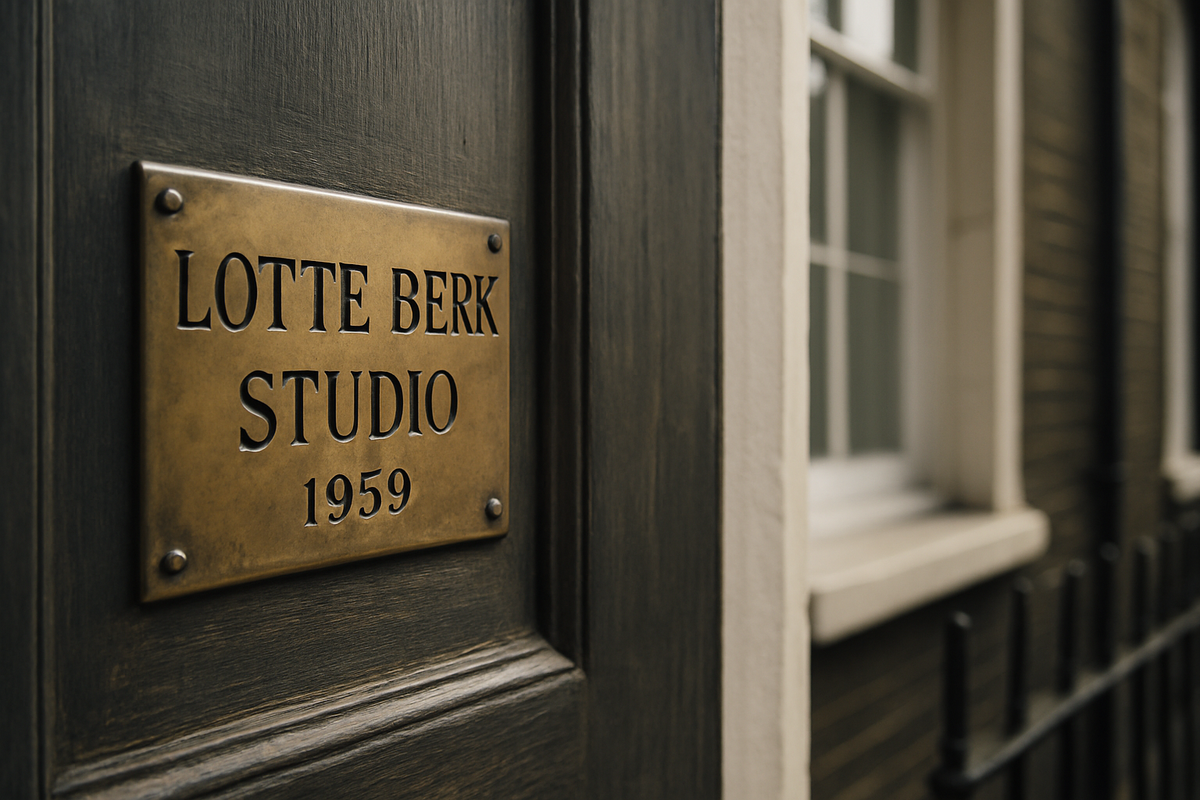
Lotte Berk, a Jewish dancer who fled Nazi Germany to England, created her signature pelvic-tilt exercise after a doctor recommended curving her lower back to heal an injury. In 1959, at age 46, she opened the Manchester Street Studio for Exercise, an exclusively female space where her "lovemaking position" became the foundation of modern barre. Unlike Joseph Pilates, who trademarked his method with strict certification standards, Berk never patented her technique, setting the stage for the fragmented industry we see in 2026.
In 1971, Lydia Bach brought the method to the United States, where it seeded multiple competing lineages. The original London studio closed in 2005 after so many teachers departed to launch their own interpretations. This lack of intellectual property protection created both opportunity and confusion: dozens of studios can claim Lotte Berk lineage, but no single authority defines what "authentic" barre means.
The Three Major Barre Philosophies: Tradition, Safety, and Cardio Fusion
The Bar Method launched in San Francisco in 2001 when founder Burr Leonard refined a decade of teaching the Lotte Berk technique with physical therapy input. Leonard observed that some traditional exercises caused knee, back, and shoulder strain, so she modified movements to protect joints while maintaining muscle intensity. Instructors describe it as the most "barre-y" format, emphasizing tiny, slow movements with frequent stretch breaks and detailed form corrections.
Pure Barre, also founded in 2001, has grown to over 600 studios as the largest franchised barre brand. Its Classic format features small pulsing movements, isometric holds, and the signature "shake," but incorporates fitness-class elements like downward dog and plank variations that purists see as departures from ballet tradition. As of 2026, Pure Barre offers five signature formats: Define (strength with heavier weights), Empower (cardio bursts), Classic (traditional technique), Align (mobility-focused), and Reform (barre-Pilates fusion).
Barre3 represents the cardio-heavy end of the spectrum, with significant time spent away from the barre doing movements like slow-motion burpees. Reviewers consistently describe it as the least ballet-inspired of the major franchises, prioritizing heart-rate elevation over the small, controlled pulses that define traditional barre work.
The Authenticity Movement: Teaching Lotte Berk Exactly as She Did
A counter-movement exists to preserve what advocates call the unmodified Lotte Berk lineage. Barre & Soul offers "Pure Lotte" classes certified directly by Esther Fairfax, Lotte Berk's daughter, who personally trained instructors in her mother's precise 1960s-era technique before her death. The London Method has made it their mission since 2015 to teach the exact moves passed from Lotte to Esther, emphasizing that modern franchises lost critical intricacies "in translation."
Six instructors have been trained by The London Method, with four receiving direct approval from Esther Fairfax herself. These teachers position their work as the truest version of Lotte Berk's original method, contrasting their approach with franchises that adapted or simplified movements for mass-market appeal or safety considerations.
Corporate Consolidation and the Quality Debate
Pure Barre was acquired by Xponential Fitness, the same parent company behind Club Pilates, a move that has drawn criticism from instructors. Glassdoor reviews from 2022 through 2026 describe unrealistic studio goals, frequent class format changes, and poor training execution that multiple reviewers say has degraded class quality over the past four years.
One pattern emerges in instructor feedback: corporate standardization can conflict with pedagogical nuance. When a franchise system requires identical playlists, cues, and sequencing across hundreds of locations, individual instructors lose the flexibility to adapt to client needs or incorporate deeper knowledge of anatomy and alignment. This tension mirrors broader debates in boutique fitness about whether scaling requires sacrificing quality.
Why the Lineage Debate Matters Beyond Historical Trivia
The question "What is real barre?" is not purely academic. For studio operators, your answer defines your market positioning. Studios emphasizing "authentic Lotte Berk lineage" attract clients seeking historical continuity and exclusivity, often at premium pricing. Studios marketing "evidence-based evolution" appeal to clients prioritizing safety, accessibility, and injury prevention, particularly those with joint concerns or physical therapy backgrounds.
For instructors, lineage affects your training path and certification choices. Bar Method and Pure Lotte certifications require different skill emphases: the former integrates contemporary exercise science, while the latter demands mastery of specific historical choreography. Your choice signals your professional identity within a divided industry.
What This Means for Studio Owners
Editorial analysis — not reported fact:
The fragmentation of barre creates both opportunity and risk for independent studio operators in 2026. If you franchise with Pure Barre, you gain brand recognition and 600-studio scale but inherit the reputation concerns around Xponential's format churn and training gaps. If you certify through The London Method, you can market true lineage authenticity but must educate clients on why "Pure Lotte" differs from the barre they see at every strip mall.
The smartest positioning strategy depends on your local competitive landscape. In markets saturated with Pure Barre and Barre3, a "lineage purist" angle offers genuine differentiation. In markets where barre remains niche, emphasizing safety modifications and accessibility (the Bar Method approach) may win more first-time clients who fear ballet-based workouts are only for dancers.
One concrete action: audit your marketing language. If you claim Lotte Berk lineage, can you trace your certification path back to her original students or Esther Fairfax's direct trainees? If you've modified her work, do you explicitly explain why (safety, evidence, inclusivity) rather than implying you teach the original method? Transparency builds trust in a market where "authentic barre" has become a contested term with no legal protection.
Sources & Further Reading
- Pure Barre official website — class format descriptions and studio locator for the 600+ location franchise
- The Barre Code's history of Lotte Berk — overview of Berk's background, 1959 London studio opening, and Lydia Bach's 1971 US introduction
- Well+Good comparison of Bar Method, Pure Barre, and Barre3 — firsthand descriptions of class pacing, movement style, and intensity differences
- The London Method — certification program teaching Lotte Berk's technique as preserved by her daughter Esther Fairfax since 2015
- Athletech News report on Xponential's Pure Barre acquisition — corporate consolidation context and franchise growth data
Editorial coverage of publicly reported industry developments. Barre Diary has no commercial relationship with any companies named.